
welcome to the Leadership In Focus newsletter.

The Signals We Miss Until It’s Too Late
I locked eyes with a stranger on the highway for barely a second.
Two minutes later he was behind me, flashing his lights and closing in. Then came the first hit. Then the second. Then a third — at full highway speed — that sent me toward the guardrail with a steep drop to a valley below.
I walked away from it. He didn't, not really.
This post isn't just about what happened that day. It's about what I've never been able to stop thinking about since: the fact that somewhere along the way, his support system had completely broken down. And nobody caught it in time.
As leaders, we're surrounded by people carrying things we can't see. This week I'm writing about how to notice the signals, and what to do when you do.

The Best Loyalty Program Costs Nothing
I spent years building and running a loyalty program.
Points structures. Redemption catalogues. Breakage calculations. Vendor relationships. System integrations. It was complex, creative, and genuinely one of my favourite stretches of my career.
But the whole time, there was a question I couldn't quite get away from: are loyalty programs solving the right problem? Or are they a workaround for something more fundamental?
Then I found an honest mechanic. And he answered it for me.
This week's post is about the loyalty program that costs nothing, and generates more word-of-mouth than any structured program I've ever seen.

Is Your Team Trust Signalling?
"Have you heard anything about..." "A few of my customers were saying..." These phrases aren't small talk. They're trust signals, and if you're hearing them more than you used to, something's changed.

Perfect Is My Least Favourite Word
For the first 30 years of my life, perfection was the standard.
As a goaltender, giving up more than two goals felt like failure. As a student, A's or nothing. At university, the Dean's List became the expectation.
On the surface, that sounds like ambition.
In reality, it was perfectionism disguised as discipline.
The problem with perfection is that it teaches you to judge yourself almost entirely by outcomes. And when life eventually becomes bigger than what you can control — as it always does — you're not prepared.
I spent more time looking for explanations than lessons.
This week Curtis Scaplen writes about what shifted, why failure is the price of admission for a meaningful life, and what it actually means to adopt a next-play mentality.

Forget the Trust Fall. Here's What Actually Rebuilds Trust in an Organization.
Most leaders think trust is rebuilt through communication.
More meetings.
More updates.
More town halls.
More promises.
But trust doesn't return because leadership talks about it.
It returns when leadership does something costly, visible, and consistent enough that people start believing the words again.
When I inherited a team struggling with internal conflict, damaged relationships, and a supplier dispute headed toward legal action, my first instinct was to fix the strategy.
That was the wrong starting point.
I couldn't fix the strategy until I fixed the room.
This week's Leadership In Focus newsletter explores what actually rebuilds trust, including a lesson from Howard Schultz's decision to close 7,100 Starbucks stores and why trust is not a feeling.
It's a system.
Read the full article below.
#Leadership #Trust #Culture #LeadershipDevelopment #OrganizationalCulture

Who Are You When the Job Is Gone?
When I lost my job after 20 years, I didn't know who I was without the title. That experience taught me something I now use with every client: most organizations have the same problem. They describe who they were, or who they wish they were — not who they actually are. Real identity is specific enough to say no with. If yours isn't, it isn't doing any work.
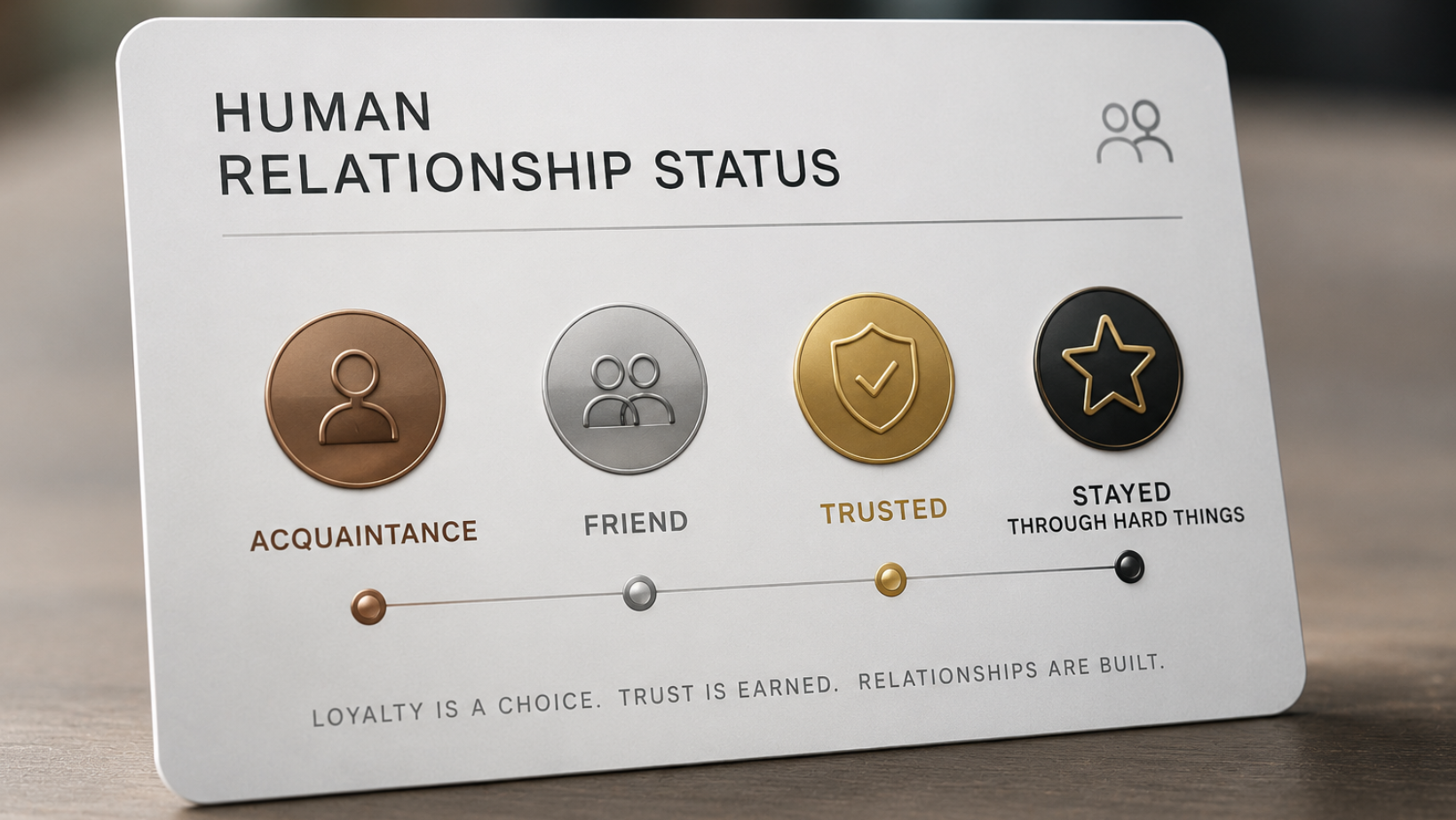
Is Loyalty Becoming a Lost Value?
Loyalty isn't blind obedience or staying at any cost. It's choosing to remain engaged with people who have earned your trust, especially when life gets difficult.

Silver Status: What Airlines Understand About Customers That Most Small Businesses Don't
I used to have Air Canada's highest status. Now I fly once a year, and I feel every inch of the downgrade.
Here's the thing though, I know exactly why it happened. And that's the part most businesses get wrong when they finally get serious about treating customers differently.
Segmentation isn't about who you shut out. It's about being honest about where your value actually sits, and consistent about what each level of relationship gets.
A simple 5-step process to start segmenting your customers, and why the airline industry has understood this longer than almost anyone.

What Living Out of a Suitcase Taught Me About Running a Better Organization
Every time my family moved internationally, there was a period when everything we owned was somewhere in the middle of an ocean.
For a few weeks, we lived with only the essentials. A furnished apartment. A few clothes. Basic kitchen supplies. No clutter. No extras.
What surprised me was not what I missed.
It was how clearly I could think.
The hard problems became easier to focus on because nothing trivial was competing for attention.
Organizations face the same challenge.
Complexity almost always arrives disguised as ambition. But the ability to grow often depends on the discipline to simplify first.

Turn Up the Volume on the Whisper
The whisper rarely yells.
It speaks softly. And in a world full of noise — expectations, fear, the opinions of people who love us but see us through the lens of their own limitations — we miss it.
High achievers are wired to persevere. To fight. To push through.
But sometimes that strength is the very thing working against us.
Curtis Scaplen on the question that follows every driven leader: when do you keep fighting, and when do you let go?

The Question That Saved Ford, and the One I Had to Ask Myself First
A little over two years ago, I stopped running.
Recently, I decided to train for a half marathon and quickly realized something uncomfortable: ambition doesn't eliminate reality. Before I could move forward, I had to honestly assess where I was starting from.
Organizations face the same challenge.
Alan Mulally discovered it when he arrived at Ford and found a leadership team reporting green dashboards while the company was losing billions. The turnaround didn't begin with strategy. It began when someone finally felt safe enough to tell the truth.
The gap between what your organization knows and what it will say out loud is where every stall begins.
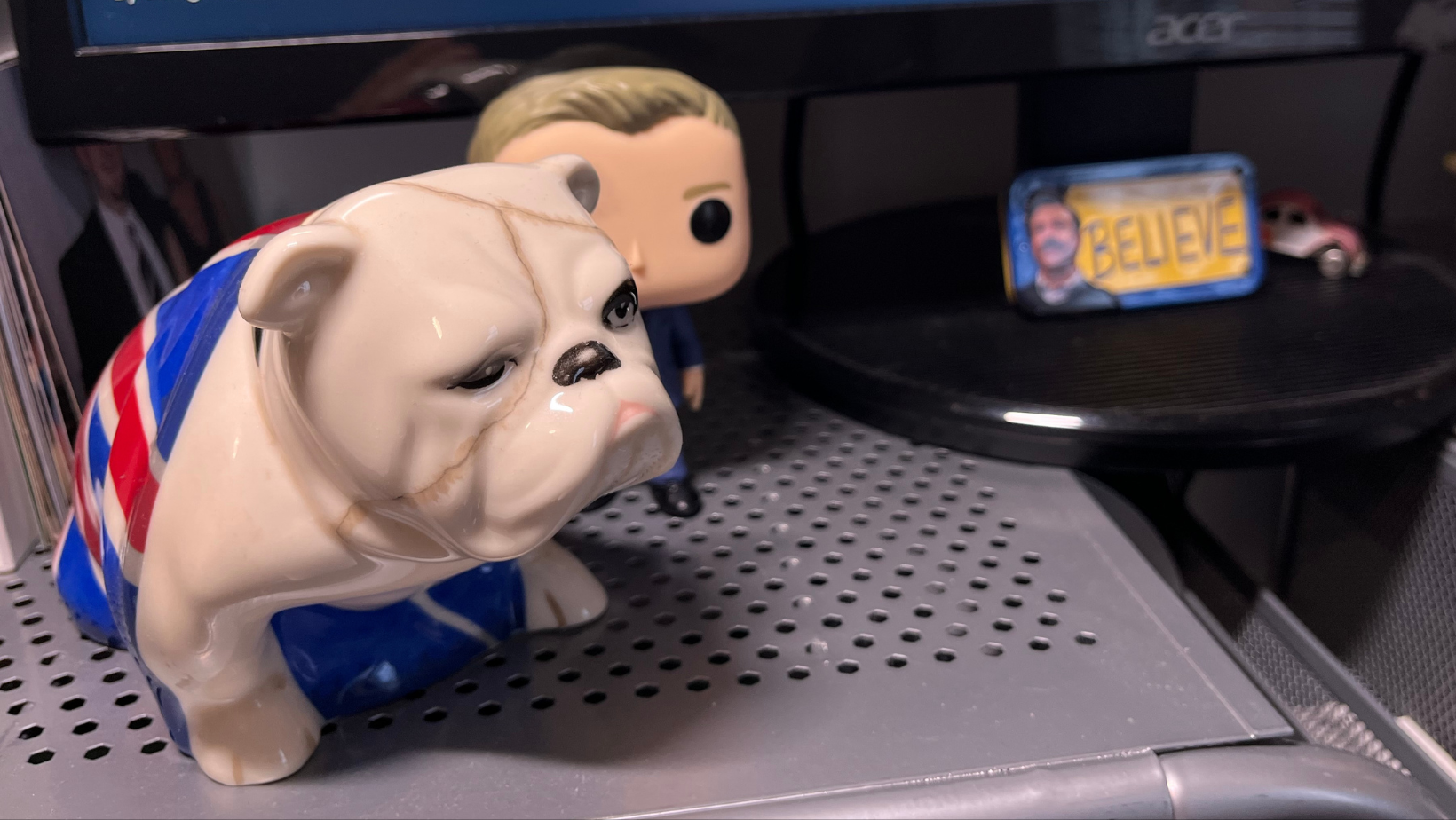
Your Scars Aren't the Problem. They're the Proof.
Your scars aren’t the problem. They’re the proof.
Most leaders try to smooth over the cracks.
Hide the hard moments.
Polish the story.
But resilience doesn’t look polished.
It looks like what you’ve survived, and what you’re finally willing to face.
This week’s piece is about a chipped bulldog, a Bond film, and the uncomfortable truth most leaders keep avoiding.
Read it. Then ask yourself one question:
What’s the elephant you’re still managing around?

The Seven Principles Behind Every Successful Turnaround
You know something is wrong. You're working harder than you ever have. And the needle is barely moving. Here are the seven principles behind every major business turnaround of the last thirty years, and the one question each one asks of you.

I Was the One Being Replaced. Here's What Was Built Because of It.
A few years ago, I stepped into a role with a clear mandate, relocated my family, and accepted the challenge with confidence. After years of frustration, I was the one being replaced. This is what I learned from that, and what I built because of it.

Less Storytelling. More Truth-Telling
People are getting harder to impress and easier to lose.
Not because marketing stopped working.
Because people can feel the difference between performance and truth.
The future belongs to the brands, leaders, and cultures willing to be real:
real values
real accountability
real connection
real humanity
Less storytelling.
More truth-telling.
Because authenticity is no longer soft branding.
It’s market positioning.
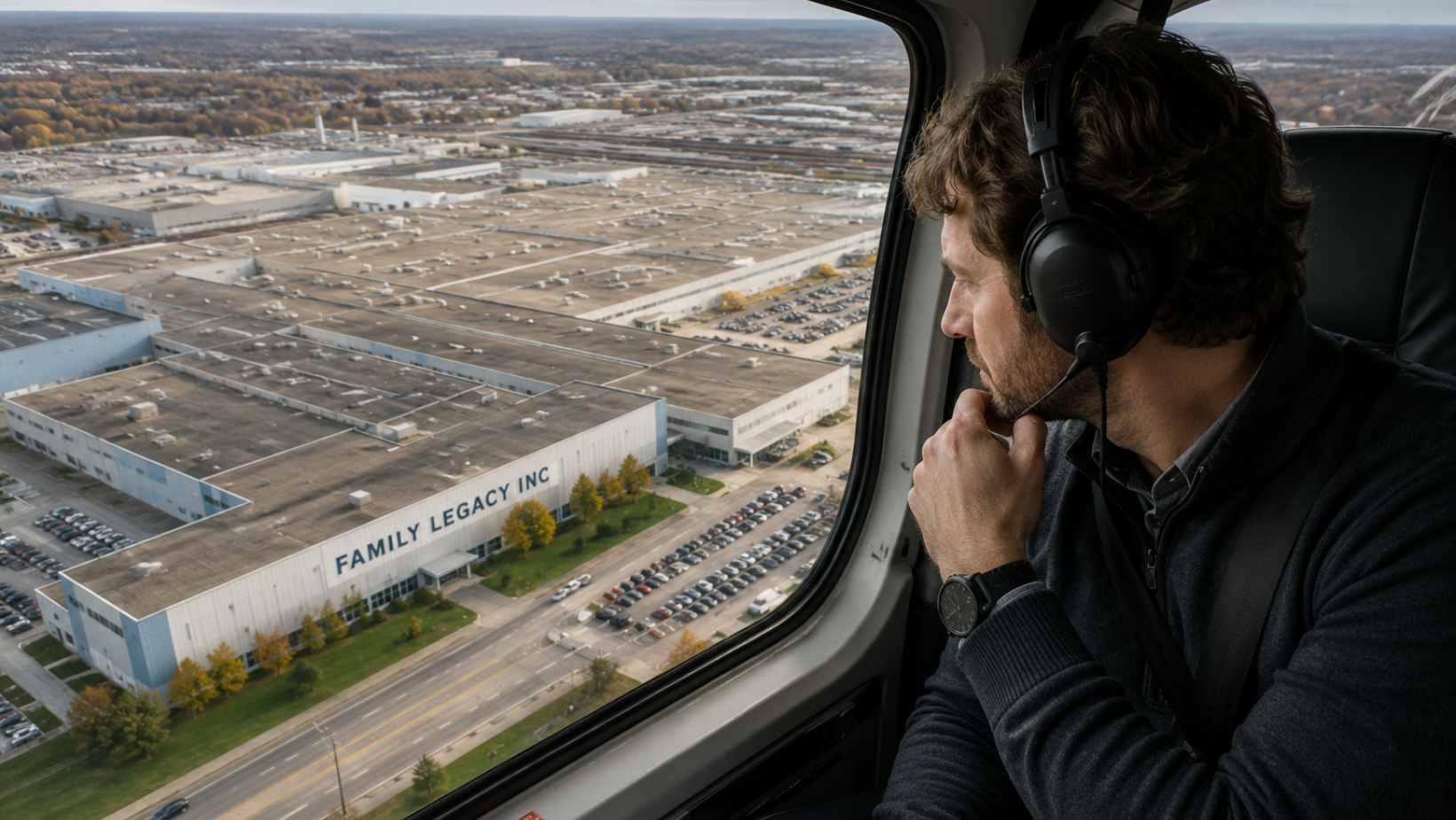
You didn’t take on a job. You took on a Legacy.
You're walking into the building on your first day. The name on the outside — attached to every product, every invoice, every customer relationship — belongs to someone else. A founder. A family. A legacy that predates you by decades.
And they chose you.
Whether you're the next generation of a family business or an outsider brought in because the family recognized something they couldn't provide from the inside anymore; the moment you walk through that door, you become the custodian of something that matters deeply to people who were here long before you arrived.
You didn't just take a job. You took on a legacy.
And somewhere in that building, the elephant is already waiting.

I pulled off the highway in rural Quebec. What I heard changed everything.
I pulled off the highway in rural Quebec to take a mandatory company call. What I heard changed everything; and shaped how I think about brand, culture, and leadership to this day. New article up.

Nobody Wants to Say It. That's Exactly Why You Have To.
Something feels off.
Nothing obvious. No clear issue anyone can point to.
Just, tension.
That’s usually the elephant.
And the moment it gets named? Everything shifts.
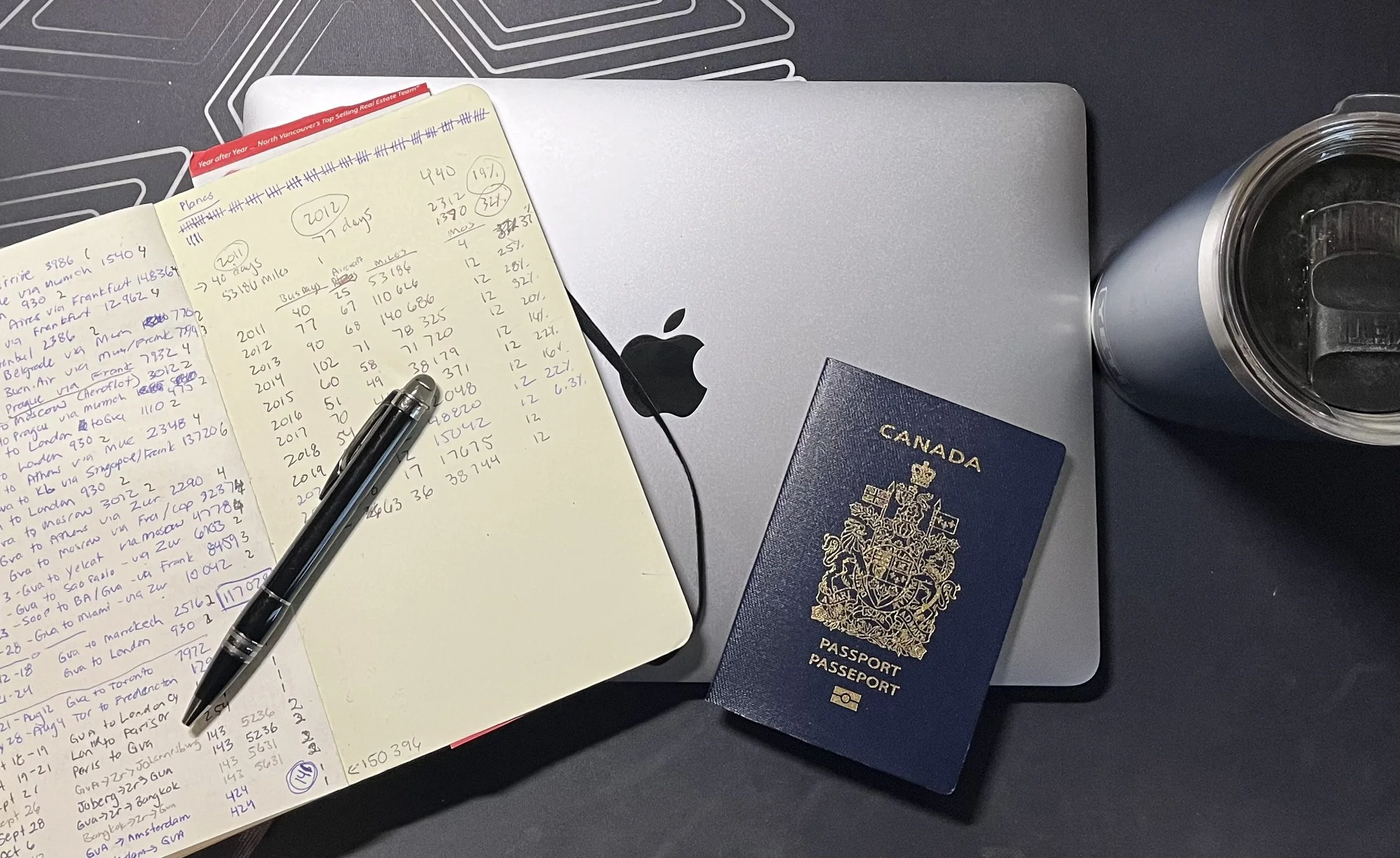
What 750,000 Miles and a Moleskine Notebook Taught Me About Becoming a Leader
I've been keeping a record since 2011 that I never planned to share.
Every flight. Every destination. Every mile.
750,000 of them across five phases of a career that took me from Switzerland to Indonesia to the western provinces of Canada.
Looking back at that logbook now, I didn't just see destinations. I saw lessons.
New post is live.
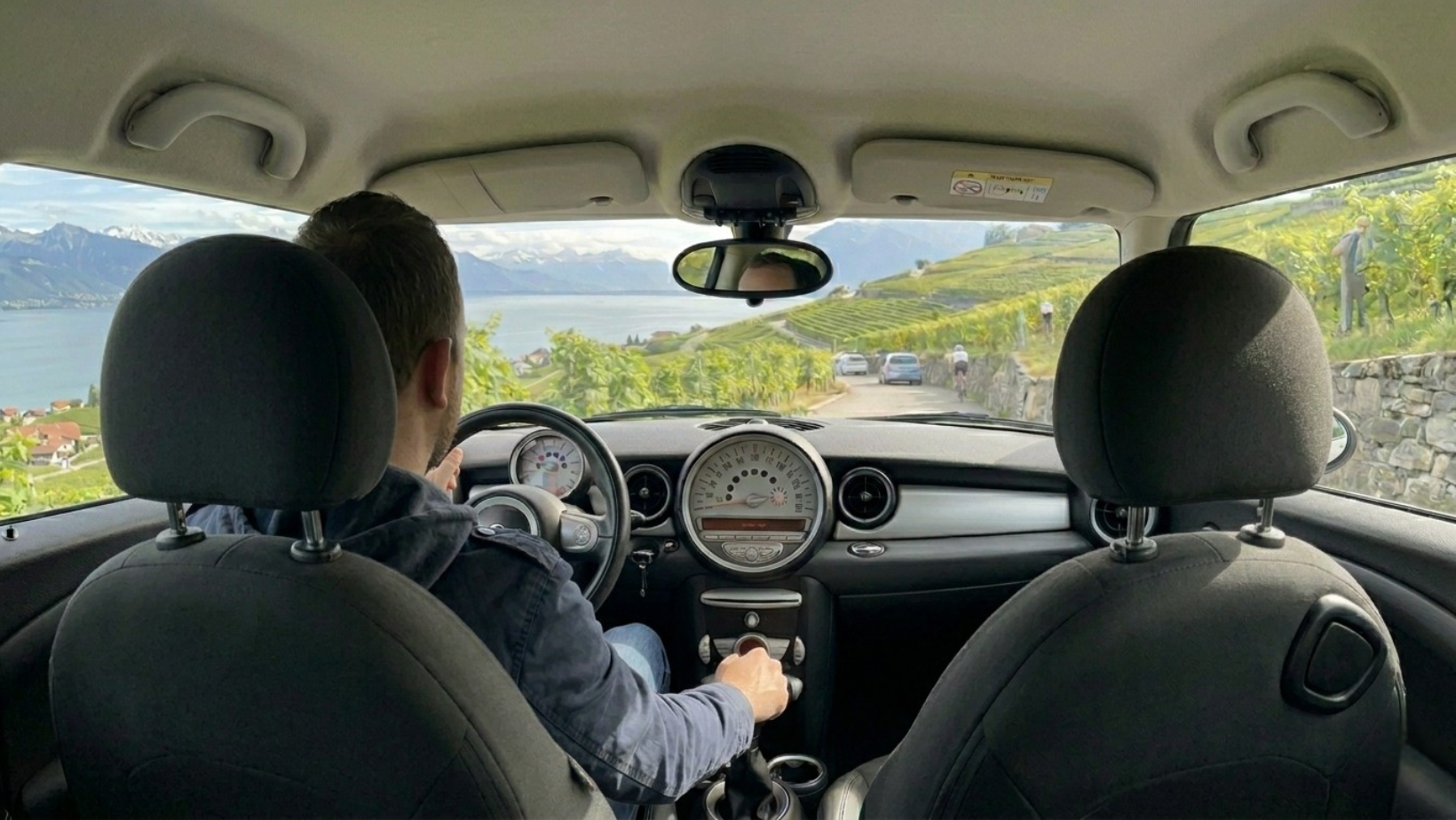
The Manual Transmission Theory of Leadership
My first car was a green Dodge Colt. Stick shift. No A/C. Rush hour traffic in the summer heat.
It was miserable. And it taught me more about leadership than most courses I've ever taken.
New post is live on the blog. Link in bio.