
Psst, Your Culture Is Showing
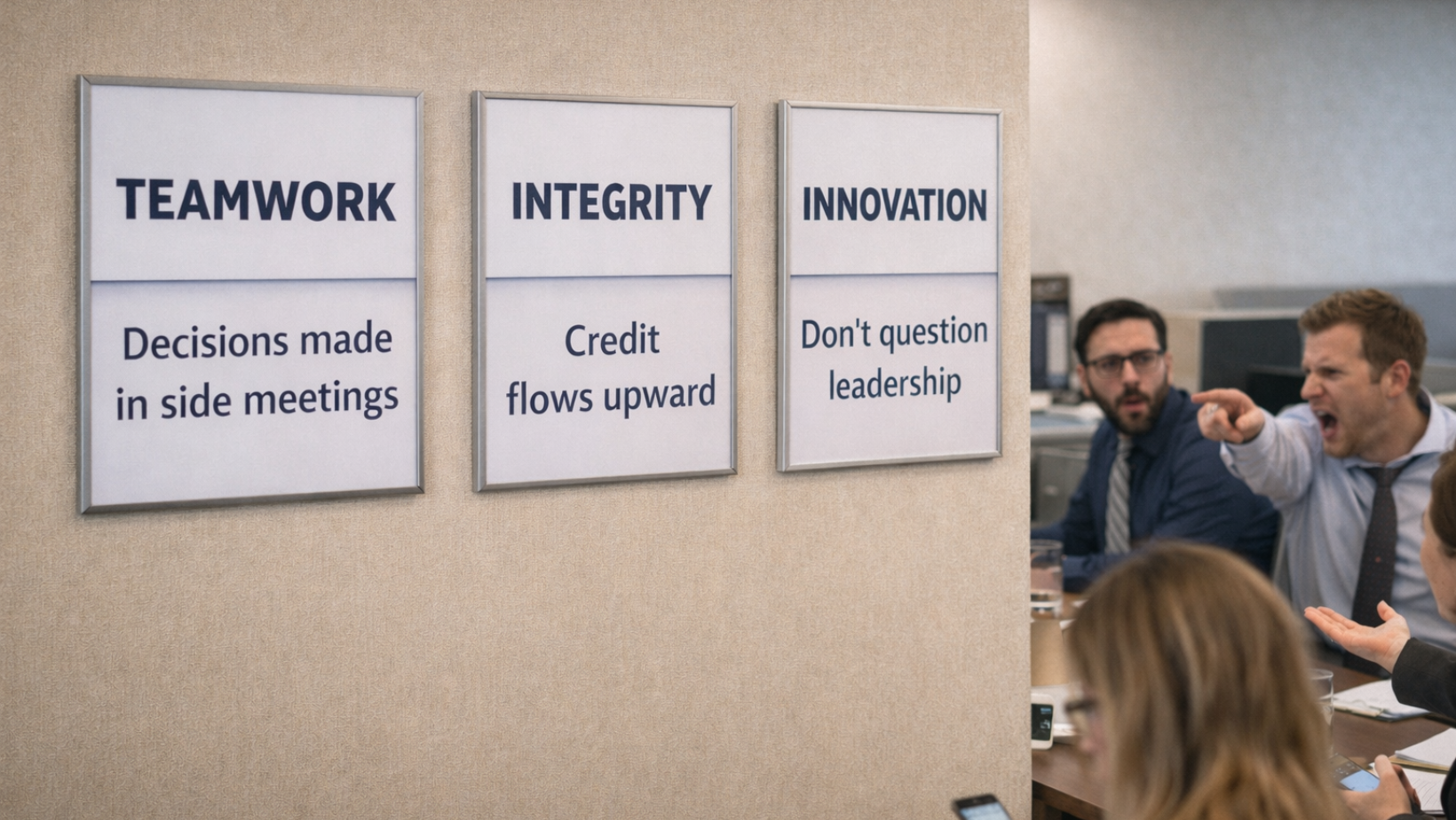
Messy business
Is it just me, or are businesses getting really messy right now?
Maybe it’s the Baader-Meinhof effect.
You notice something once… and suddenly you see it everywhere.
But lately?
Every conversation I’m in seems to come back to the same thing.
“Things feel off.”
What’s said and what actually happens don’t line up.
Transparency is painted on the walls.
Decisions happen behind closed doors.
A friend told me their company promoted a sales manager.
No announcement.
Just whispered side meetings.
“We promoted him… but we haven’t told everyone yet.”
The team expected new outside experience.
Instead, confusion, and more culture drift.
Another leader shared that divisions inside their company are going rogue:
Building their own systems.
Launching their own websites.
Running their own playbooks.
And management can’t seem to stop it.
Every day on LinkedIn I see stories of:
Micromanagement.
Values ignored.
Onboarding skipped.
Politics over purpose.
Messy.
Guess what?
Misalignment is expensive.
The cost of misalignment
Research shows poor communication and misalignment can quietly burn 15–20% of payroll through rework, slow decisions, and duplication.
But the bigger cost?
Trust.
Because when behaviour contradicts the values…
people stop believing.
You can spot the signs fast:
Leaders preach innovation, but punish risk
Feedback exists, but nothing changes
Decisions serve politics, not priorities
Departments compete, instead of collaborate
Rules apply to some, but not to others
Not us
At some point employees stop asking what the values are.
They watch what survives.
There’s a quote from Thomas Williams that applies here:
Strong leaders can still struggle to view their organization as it truly is, rather than how they believe it is. That gap creates blind spots.
So if you’re reading this thinking
“Not us.”

Pause.
Are you sure???
Try asking your people anonymously:
What actually gets rewarded here?
Where do our actions contradict our words?
What might we be missing about how decisions land?
If someone watched leadership for a week, what would they say we value?
The answers are usually uncomfortable.
They are also gold.
At Leadership In Focus we call this BrandTruth Alignment™.
Brand = what people believe about you
Culture = what it feels like to belong
Leadership = what you model and protect
When those drift apart, credibility collapses.
When they align, momentum compounds.
Here are four things for you to start this week:
1) Watch behaviour, not slogans.
Forget the posters.
Watch what actually happens in meetings, in promotions, in budget decisions.
Who gets celebrated?
Who gets protected?
What shortcuts get ignored when pressure hits?
Culture is what people learn is safe.
2) Pick one value.
Not ten.
One.
Now define what it would look like if an outsider could see that value in action.
If the value is transparency: what meetings become open?
If it’s ownership: who makes decisions without permission?
If it’s teamwork: where do silos disappear?
Then ask the hard question:
👉 Where are we contradicting this today?
Close that gap first.
3) Audit your calendar.
Your schedule is a truth machine.
Where are you personally investing time?
Firefighting?
Politics?
Short-term saves?
Or building capability, clarity, and trust?
If a camera crew followed leadership for a week,
what would they conclude the company really values?
4) Compare perspectives.
Leaders almost always rate alignment higher than everyone else.
Not because they’re lying to themselves.
Because they’re closer to the intention.
That’s proximity bias.
So test it.
Have leaders answer the questions.
Have the team answer the same ones.
Separately.
Put the results side by side.
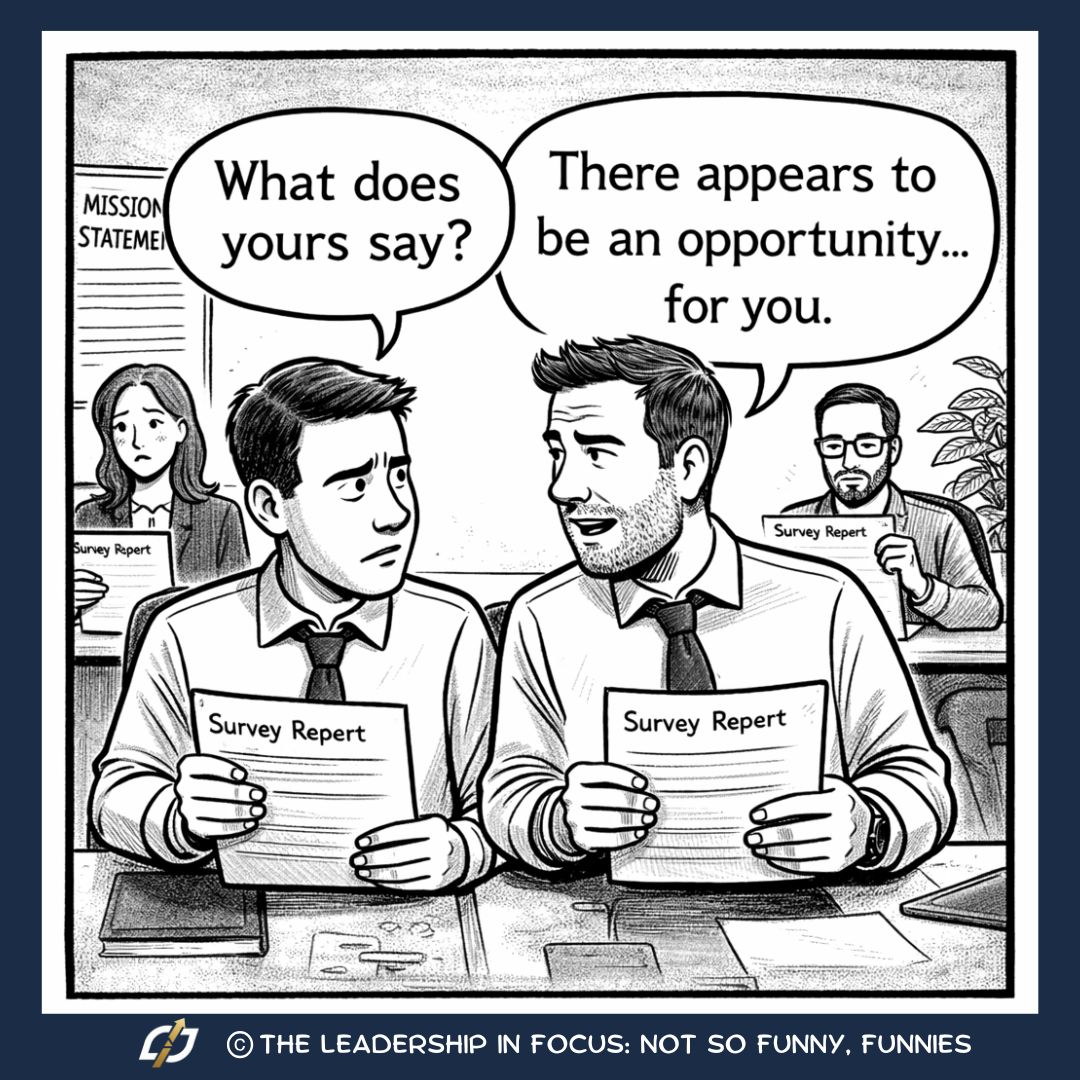
The gap is the truth.
The conversation is the work.
If you want a simple way to run this, start with the BrandTruth Alignment™ Assessment.
Then call us when you’re ready to talk about what you find.
Closing Thought
People aren’t asking if you have values.
They’re asking if your behaviour proves them.
Work will always be complex.
But drift is optional.
