
Change isn’t the hard part
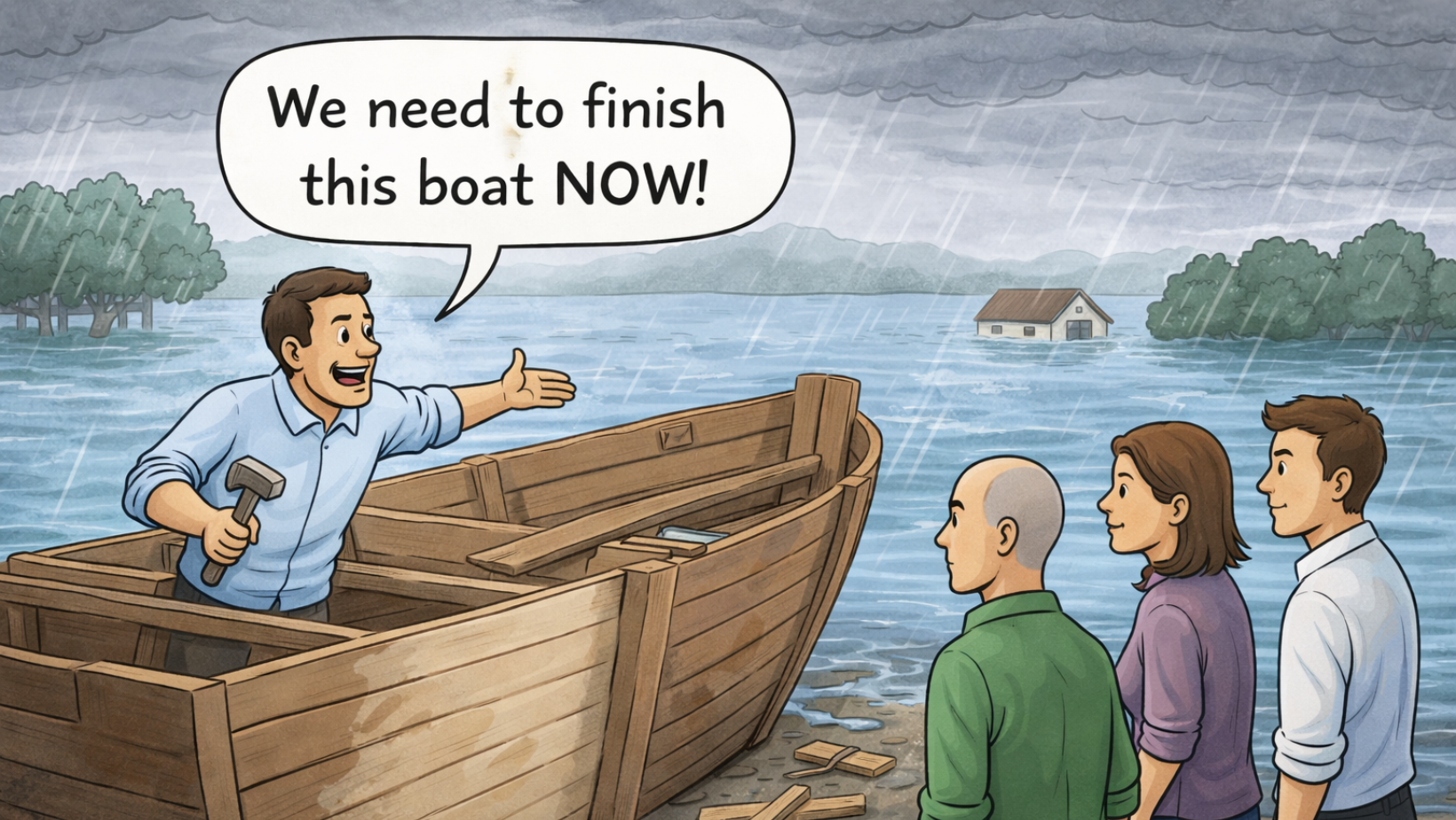
Should dill cashew spread have green or white packaging?
We have a brand of dill cashew spread that we really enjoy.
In our last grocery order, I noticed the packaging had changed. It went from mostly white to mostly green.
My wife took one look and said she liked the old packaging better.
I didn’t mind the change.
But she doesn’t love it when her favourite brands change.
That small moment stuck with me (enough to inspire a newsletter).
“For the times they are a-changin’.” - Bob Dylan
I’ve had a few opportunities over my career to lead major projects and change initiatives. And change is a funny thing. Nobody really wants it, but we all spend a lot of time dealing with it.
Up until one particular role I took on a few years ago, I had built a pretty solid track record managing change.
I was coming off a two-year stint leading a key account team. We’d seen a decent period of growth. Things were moving in the right direction. So when I stepped into the next role, I felt confident leading a new team through the changes ahead.
That confidence didn’t age well.
The following couple of years didn’t go the way I expected, for me or for the team. Eventually, it ended in a major restructure.
I was reading something recently that prompted me to look back on that period and ask a simple but uncomfortable question:
What could I have done differently to make that change easier, or more successful?
Here are a few reflections that might be useful for any leader guiding a team through change.
Change is awkward for everyone
How could I have made it less so?
I think this is where leading by example really matters. I could have spent more time alongside the team, trying to do what they were doing, not just directing it.
Two things I would do differently:
Acknowledge the awkwardness instead of trying to smooth it over
Show, through action, that I understood what was uncomfortable about the change, and that I was in it with them
Pretending change is seamless doesn’t make it easier. It just makes people feel misunderstood.
Change makes people feel alone
I should have connected more intentionally with individuals on the team.
Not just project updates, real check-ins.
Things I’d do differently:
Ask how people were actually feeling, not just how things were going
Get clearer on where they felt unsupported and act on it, even in small ways
When people feel isolated during change, they disengage quietly, long before they push back.
Change feels like a sacrifice
I focused too much on what we were building and not enough on what people felt they were losing.
What I would change:
Spend more time understanding what each person valued most in their role
Connect the change and the vision to their why, not just the organization’s
When people feel personally connected to the direction, they spend less energy mourning what they’re giving up.
Change is overwhelming
I didn’t fully appreciate that the change we were leading wasn’t happening in a vacuum.
People were dealing with other changes too, inside and outside of work.
What I would do differently:
Slow the pace where possible
Introduce changes in smaller increments instead of stacking them
Watch for signs of change fatigue and adjust before momentum stalled
Urgency is important. So is recognizing when people are stretched thin.
Change requires resources
Scarcity shows up in more places than budget lines.
I couldn’t control every tool or dollar, but I could have paid closer attention to where confidence was lacking.
Things I would focus on:
Joint training or workshops to build shared capability
Creating space to learn together instead of expecting people to figure it out alone
When people feel resourced, in skills and confidence, they’re far more willing to move forward.
Change and readiness aren’t equal dance partners
People were at very different levels of readiness.
And in hindsight, we weren’t fully ready as leaders either.
What I would do differently:
Take more time to assess readiness before raising the stakes
Develop strengths and close gaps before creating fear around performance
Be clearer about what “good” looked like during the transition
Pressure without preparation rarely produces the result you want.
Change still needs healthy pressure
When I felt overwhelmed or unsure, I pulled back too much.
What I should have done:
Maintain a steady sense of urgency
Keep expectations clear, even while adjusting the approach
Separate flexibility in how we got there from clarity on where we were going
Too much pressure breaks teams.
Too little lets change drift until it dies quietly.
Let’s handle change better
Change is important.
Change for the sake of change isn’t.
But if growth has stalled, if a team is just going through the motions, or if a small number of people are carrying most of the load; change might be exactly what’s needed.
The lesson I carry forward is this:
Change fails when leaders underestimate how personal it feels.
When it comes down to it: Change isn’t the hard part.
But how leaders handle it is.
And that’s something we can do better next time.
