

BrandTruth Alignment™ For Churches
People may forget what we say, but they never forget what it feels like to belong.

Build a Culture People Can Feel
When what we preach, what we practice, and how we lead don’t align, people feel it.
Churches rarely lose their way because of bad theology or lack of passion.
They drift because the lived experience of the church slowly separates from what it says it believes.
We preach belonging.
But newcomers struggle to integrate.
We preach discipleship.
But growth feels invisible.
We preach care.
But volunteers quietly burn out.
These gaps rarely appear overnight.
They emerge slowly as churches grow, leaders carry more responsibility, and ministry becomes busier.
And over time people begin asking questions they rarely say out loud:
Do people feel genuinely welcomed here?
Do volunteers feel supported or used?
Are we developing new leaders or relying on the same few?
Would people describe us the way we describe ourselves?
These questions aren’t signs of failure.
They are signals.
Signals that alignment needs attention.
What is BrandTruth Alignment™ for Churches?

Churches are leading in a very different cultural moment than even a decade ago.
Public trust in institutions is fragile.
Attention is fragmented.
Commitment is thinner.
And yet something surprising is also happening.
People are searching again.
A new generation is asking deeper questions about faith, meaning, and community.
This creates both pressure and opportunity.
Many congregations today are navigating:
volunteer fatigue
leadership stretch
rising expectations
quiet disengagement
In environments like this, small misalignments grow quickly.
When the message of a church and the lived experience of the organization move together, credibility strengthens.
When they drift apart, trust erodes quietly.
This moment doesn’t require more activity.
It requires alignment.
Why This Matters Right Now

BrandTruth Alignment™ is a leadership development pathway designed to help churches ensure that what they proclaim is reflected in how people actually experience the church.
It focuses on aligning three realities that shape every congregation:
Identity (Brand): What people believe about the church or organization.
Community (Culture): What it actually feels like to belong.
Leadership: What leaders model, protect, and repeat.
When these three elements tell the same story:
People feel genuine belonging.
Leaders carry vision with less strain.
Volunteers serve with joy instead of exhaustion.
The church or non-profit’s credibility grows inside the congregation, participants, and in the surrounding community.
This isn’t a marketing exercise.
It’s a clarity process that helps churches ask an honest question:
Does the lived experience of our church match the message we proclaim?

A simple way to start
Before any workshop begins, we start with clarity.
The BrandTruth Alignment™ Assessment is a short, anonymous check designed to help churches see how their community is actually being experienced.
It takes about 10 minutes.
Participants can include pastors, non-profit leaders, staff, ministry & volunteer leaders, volunteers, and congregants.
The assessment looks at three areas:
Identity Credibility: Does the church deliver what it says it is?
Belonging & Culture: What does it actually feel like to be part of the church?
Leadership Trust: Do leadership behaviours reinforce what is preached?
Each participant receives a personal report, and church leaders receive an aggregate view of the results highlighting strengths and alignment gaps.
Those insights become the starting point for meaningful conversation and practical action.
Many leaders are surprised by what this reveals.
How the BrandTruth Alignment Workshop Works

The BrandTruth Alignment workshop is a facilitated leadership experience designed for pastors, staff teams, boards, and church ministry leaders.
Group size:
5 – 50 participants
Format:
Full-day interactive workshop
The workshop blends teaching with guided team work so leaders can identify alignment gaps and translate insights into practical actions.
Leaders work through a structured sequence of modules including:
From Values to Proof: Turning intentions into visible behaviours.
The Experience Ladder: Helping people move from attending → belonging → ownership.
Rituals That Shape Identity: Understanding how repeated actions define culture.
Hidden Signals of Leadership: How leaders communicate belonging and trust without words.
Recognition & Reward: What leaders celebrate becomes culture.
Where Hypocrisy Hides: Making it safe to address drift before trust erodes.
Making Alignment Stick: Turning insight into a practical 90-day leadership action plan.
Leaders leave with:
one clear priority
defined behaviours
contradictions removed
ownership assigned
a rhythm for protecting alignment over time
Who this is for
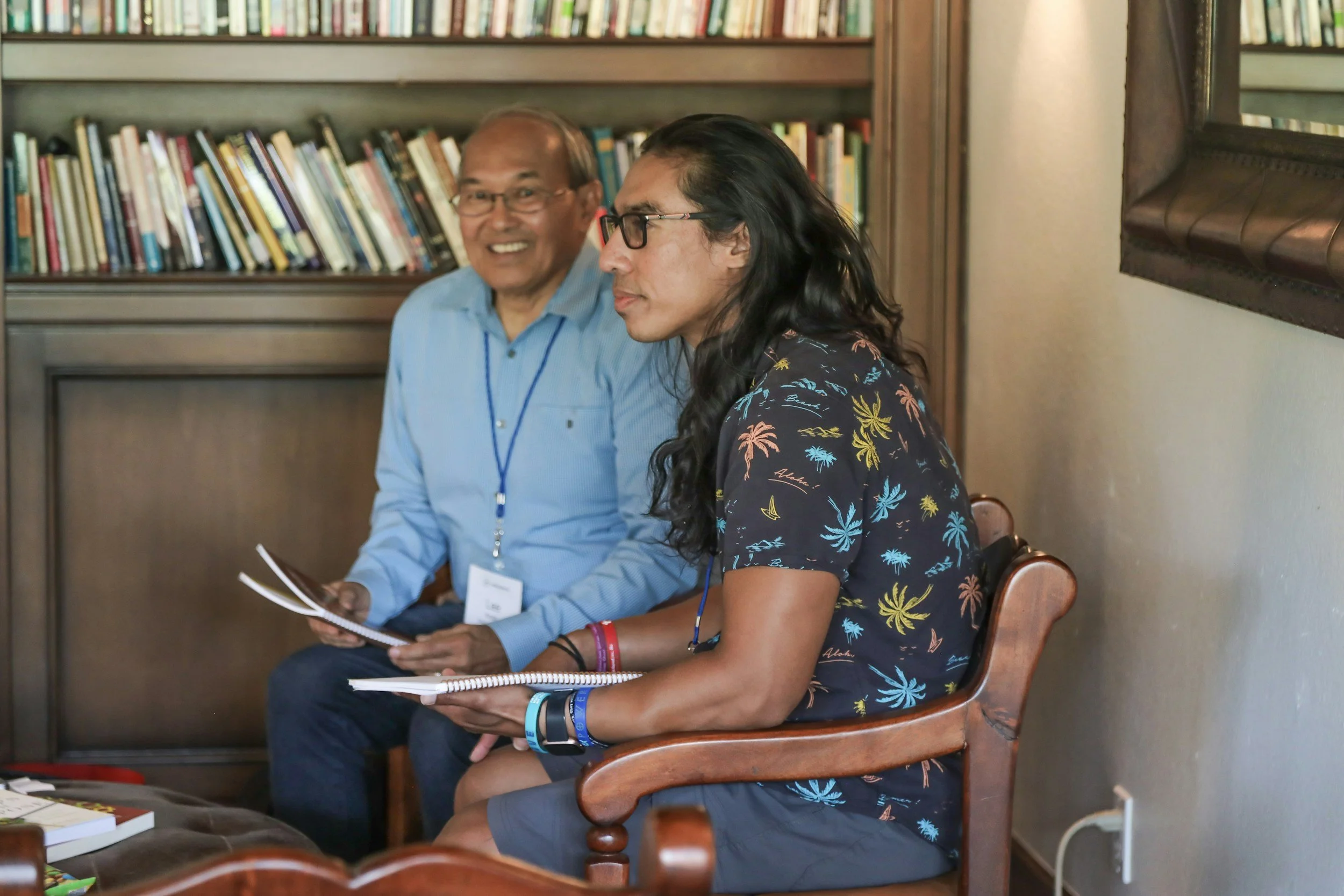
BrandTruth Alignment™ for Churches is designed for:
Pastors
Staff teams
Elders / board members
Ministry leaders
It is particularly valuable for churches and organizations that:
sense growing internal friction
feel leadership pressure increasing
want to strengthen belonging and engagement
care deeply about credibility and trust
want their culture to reflect their theology
If something feels slightly “out of tune” in the life of your church, or your volunteer organization, you’re probably not imagining it.
Why Leadership In Focus
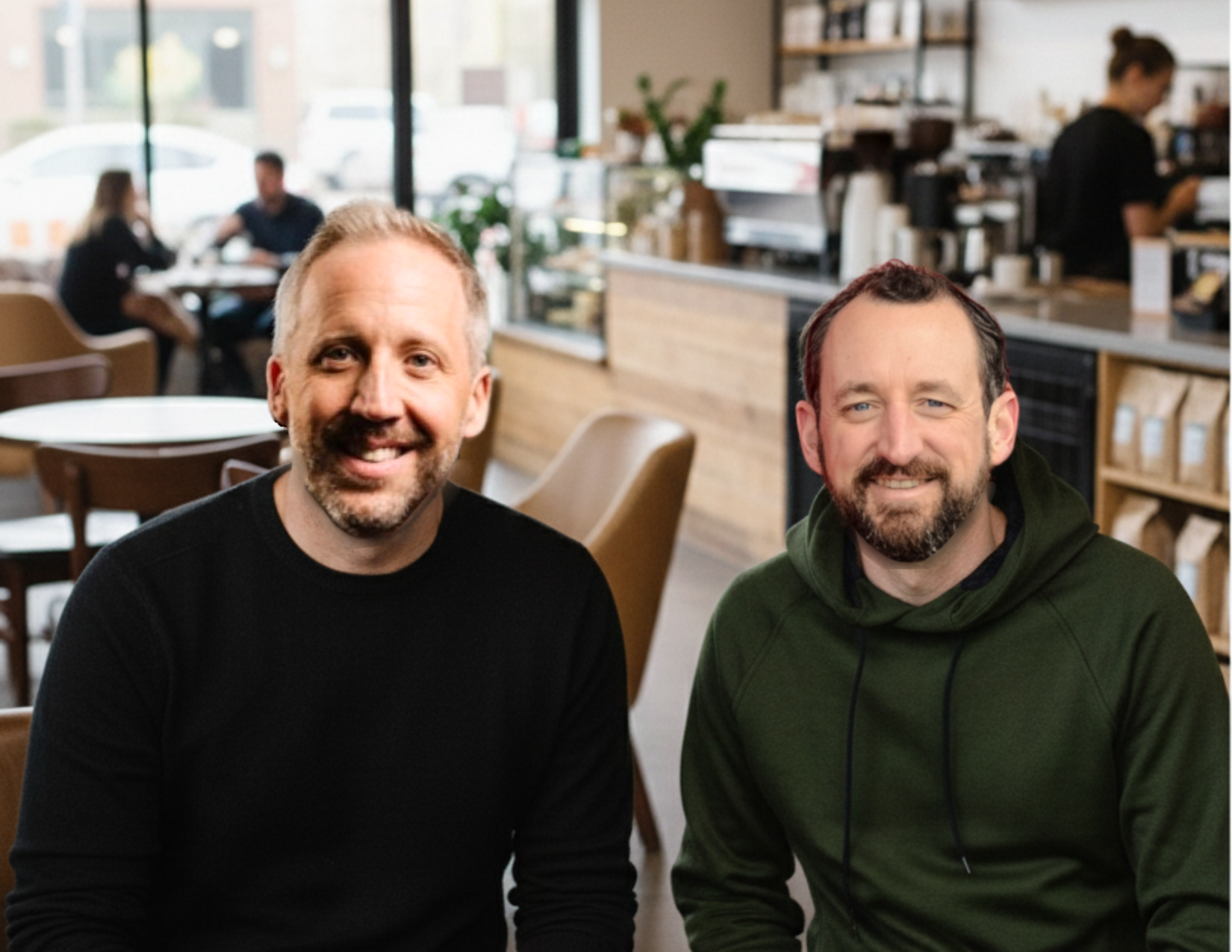
Leadership In Focus works with organizations navigating growth, transition, and leadership alignment.
The same principles that strengthen trust and culture in organizations apply inside churches.
Our role is not to impose a framework.
Our role is to help leaders:
see clearly
name drift honestly
translate values into lived behaviours
rebuild alignment that strengthens trust
Next step
You don’t need a big commitment.
You need a conversation grounded in reality.
Start with the assessment.
Then we’ll talk about what it’s telling you, and what to do next.
👉 Take the BrandTruth™ Alignment Check
👉 Book a Discovery Call
Frequently Asked Questions
-
No. BrandTruth Alignment™ is not primarily about increasing attendance.
It focuses on alignment between what the church believes, what it communicates, and what people actually experience.
When that alignment strengthens, belonging deepens, leadership trust grows, and healthy engagement often follows naturally.
-
No. While the framework draws from leadership and organizational research, it has been adapted specifically for churches.
The goal is not to apply corporate strategies to ministry, but to help churches ensure that their lived culture reflects the message of the gospel they proclaim.
-
The workshop works best when it includes a mix of leadership voices, such as:
pastors
staff team members
elders or board members
ministry leaders
Typically 5 to 50 participants.
This creates the space for honest conversation and shared ownership of next steps.
-
The primary experience is a full-day facilitated workshop.
Before the workshop, participants complete a short 10-minute alignment assessment, which helps surface insights that guide the day.
Some churches also choose to add follow-up sessions to help support implementation over the next 90 days.
-
Leaders leave with practical outcomes, not just ideas.
These typically include:
a clear alignment priority
defined behaviours to reinforce
contradictions or cultural drift identified
ownership assigned to specific leaders
a simple rhythm for reviewing progress
The goal is to help churches translate their values and mission into visible, lived culture.
-
If leaders sense tension between what the church says it values and what people actually experience, that is often a sign that alignment work could be helpful.
Many churches begin simply by taking the BrandTruth Alignment™ Assessment to gain clarity.
-
Our team brings both leadership development experience and a deep personal understanding of church life.
We have grown up and served in a wide range of Christian traditions, including Catholic, Pentecostal, and international church communities. Along the way we have experienced churches in seasons of health, renewal, and struggle.
We have served alongside pastors and ministry leaders, volunteered in local congregations, and wrestled with our own questions of faith along the journey.
Because of this, we approach churches with humility.
Not as outsiders trying to impose business frameworks, but as people who understand how complex and deeply personal church leadership can be.
Our role is simply to help leaders see their community more clearly, strengthen alignment between belief and lived experience, and support conversations that help churches move forward with greater clarity and trust.