

How Do I Build a Company That Runs Without Me?
Steve Jobs died six weeks after handing Apple to Tim Cook. The stock grew twentyfold. In 2026, Cook handed it to someone shaped entirely by the system Jobs built. That's not luck. That's design.

How Do Founders Reduce Dependency?
Warren Buffett ran a $1.16 trillion empire with 24 people at headquarters. Not through oversight. Through trust built into a system. Here's how founders actually reduce dependency.
Why Does Everything Require My Approval?
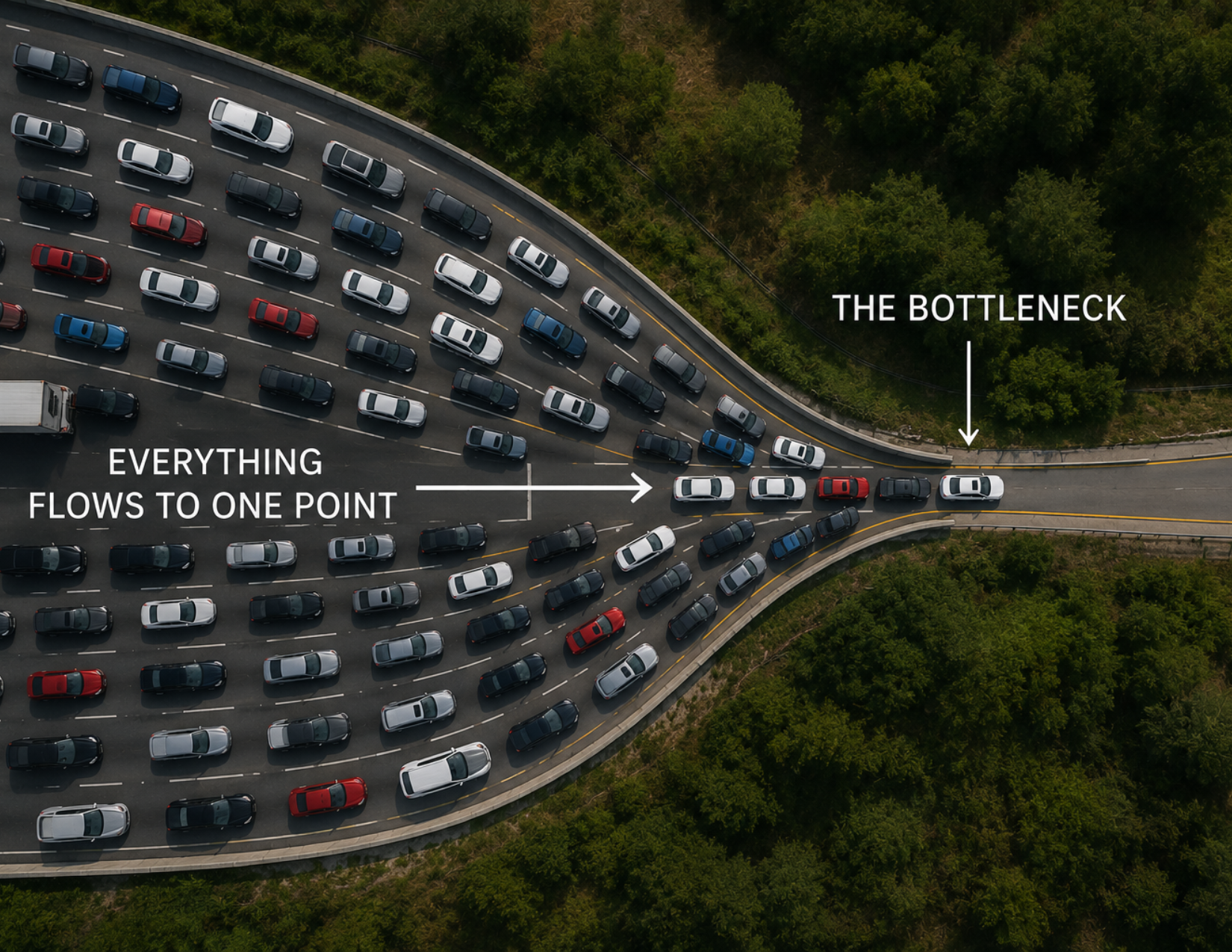
Starbucks had to call Howard Schultz back as CEO twice. Not because he was the only one who cared. Because the company had been built around his judgment instead of around a system. Here's what that costs you.

How Do Leaders Reconnect with Frontline Teams?
CEOs spend 3% of their time with frontline workers. 89% of those workers say they'd stay if leadership actually listened. Marriott's CEO went on the road to close that gap. Here's what he found.

How Often Should Leaders Talk to Customers?
Jeff Bezos put an empty chair in every meeting and called it the most important seat in the room. Here's why "how often should leaders talk to customers" is the wrong question, and what to ask instead.

Why Isn't Customer Data Enough?
Brian Niccol had all of Starbucks' data. He went to the stores anyway. Here's why the most important thing your customers are telling you isn't in any report on your desk.

Why Do Initiatives Lose Momentum?
Your new initiative launched with energy. Three months later, nobody mentions it. Alan Mulally's Ford turnaround shows exactly what was missing, and it wasn't motivation.

Why Do Meetings Feel Pointless?
Shopify wiped 10,000 meetings off the calendar and called it a "useful subtraction." HBR found cutting meetings 40% boosted productivity 71%. Here's why most meetings fail, and what actually fixes it.
Why Does Accountability Fail?
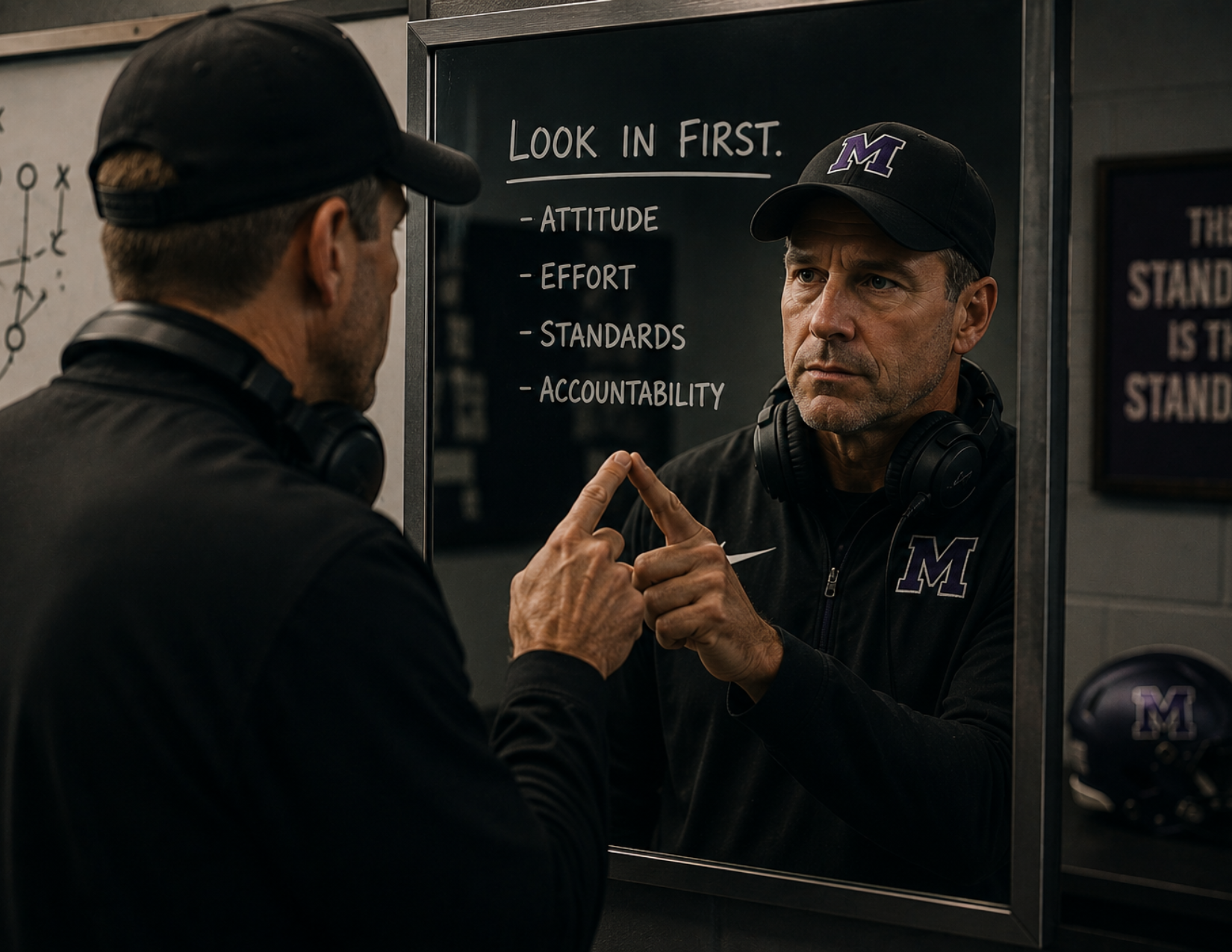
After a brutal collapse as a young coordinator, Mike Macdonald didn't look for who to blame. He looked at himself first. Here's why that's the actual mechanism behind accountability that works.

Why Can't Leaders Agree on Priorities?
Five leaders, five different "top priorities," none of them wrong. Satya Nadella solved this exact problem at Microsoft, not with a strategy memo, but by redefining what the company was allowed to be.

How Do We Define What We Stand For?
Brian Niccol's first move at Starbucks wasn't a new strategy. It was naming an identity that had always been true and had simply stopped being lived. Here's how to find yours.

How Do You Prioritize When There Are Too Many Priorities?
Seahawks head coach Mike Macdonald has a name for what most leaders never quite reach: elegant simplicity. Here's how he turns an impossible list into one clear directive, and how you can too.
Why Do Our Values Feel Meaningless?
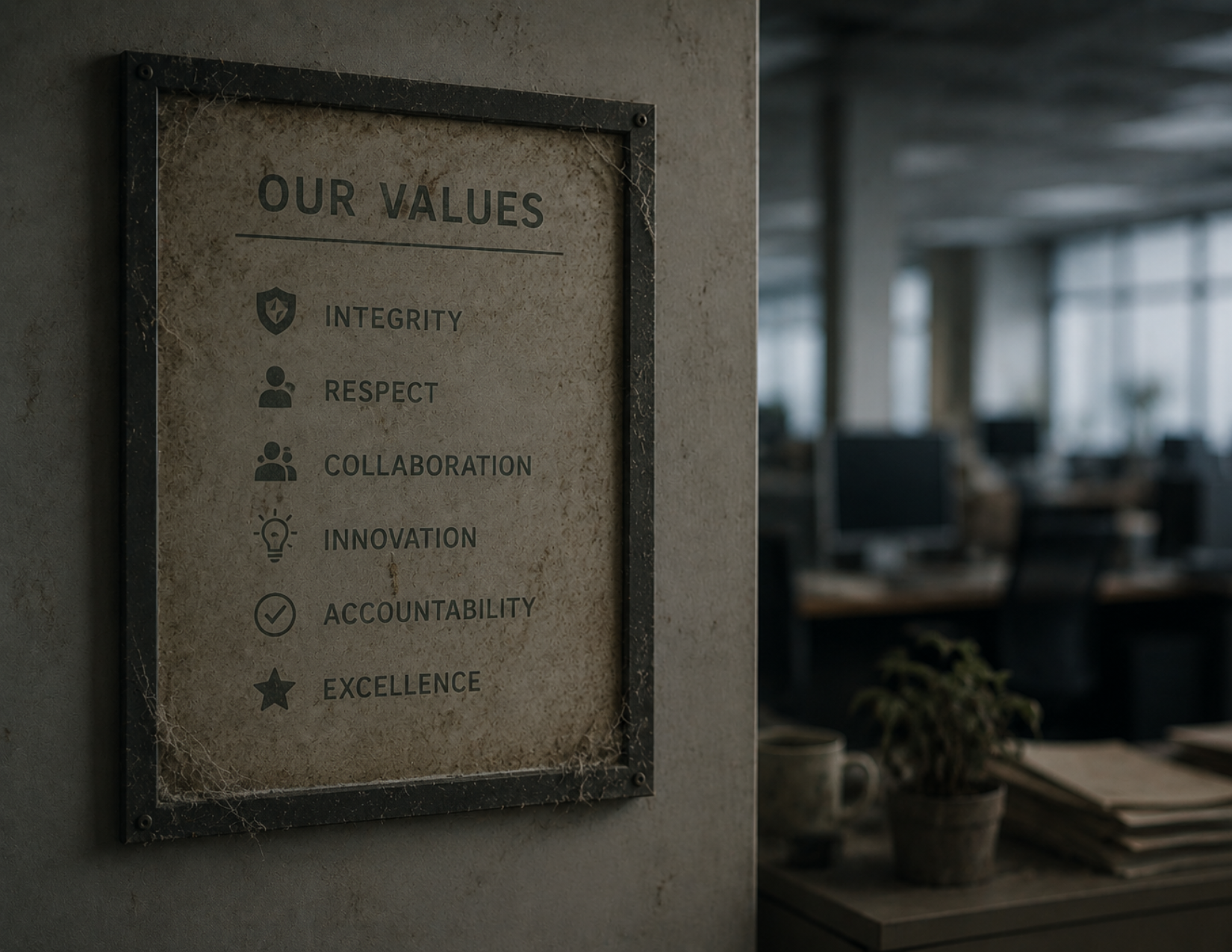
Integrity. Service. Excellence. Sound familiar? Only 27% of employees actually believe their company's values. Boeing's safety crisis shows exactly why that gap matters.

Why Don't Employees Trust Leadership?
Trust in managers fell from 46% to 29% in just two years. Howard Schultz rebuilt it at Starbucks by telling his team the truth nobody wanted shared. Here's how.

How Do You Rebuild Trust After Layoffs?
Layoffs don't just cut headcount. They break an implicit contract. Only 20% of employees trust leadership afterward. Here's what it actually takes to rebuild it.

Why Do Good Employees Leave?
The resignation that hurts most is the one you never saw coming. 75% of turnover is preventable. Here's what your best people's exits are actually telling you.
What Should Leaders Stop Doing?
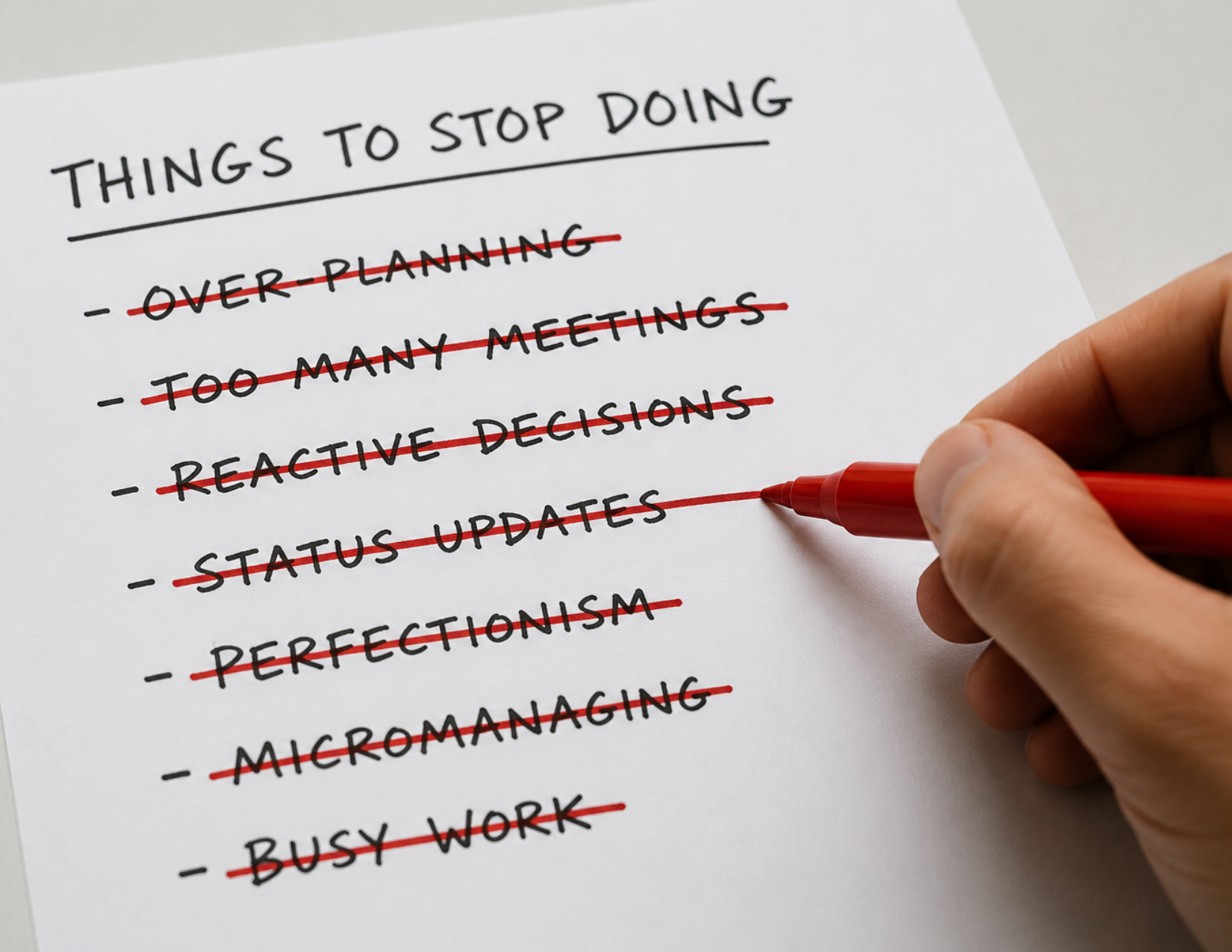
Steve Jobs crossed Apple's product list down to four. Brian Niccol just cut 30% of Starbucks' menu. The best leaders aren't asking what to add. They're asking what to stop.

Are We Trying to Do Too Much?
One Fortune 500 retailer found it had launched more than 90 separate initiatives in six months. Here's why "too much" doesn't just slow you down, it sabotages everything you're trying to do.

Why Is Everyone Busy but Nothing Changes?
Your team is sprinting between meetings, drowning in Slack, working late, and still moving nowhere. Busy and broken aren't opposites. Here's what's actually going on, and how to fix it.
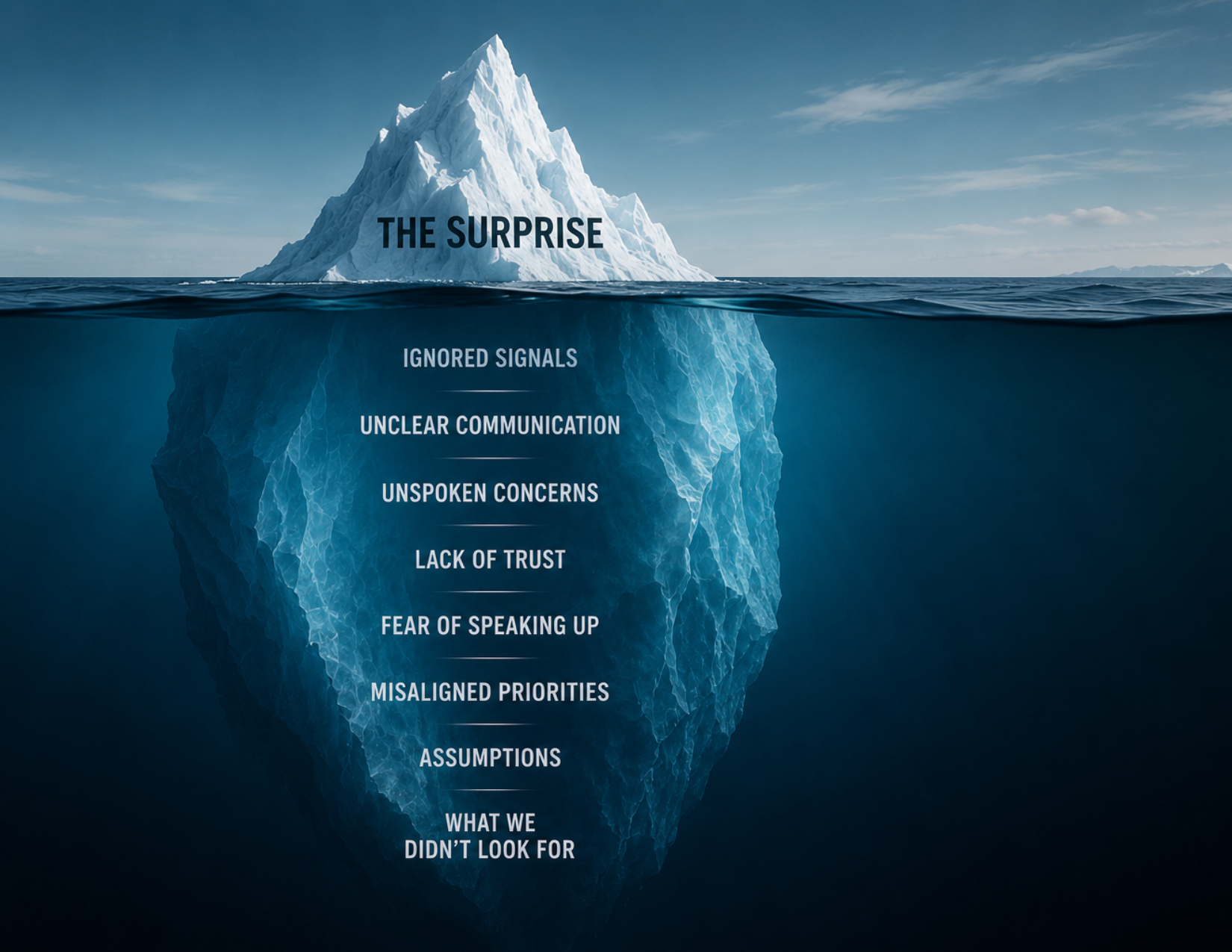
Why Are Problems Becoming Surprises?
A surprise, by definition, is something you didn't see coming. But in most organizations, someone did. Here's why the truth never reached you, and how to change that before the next blindside.