
When "Stay In Your Lane" Becomes The Bottleneck
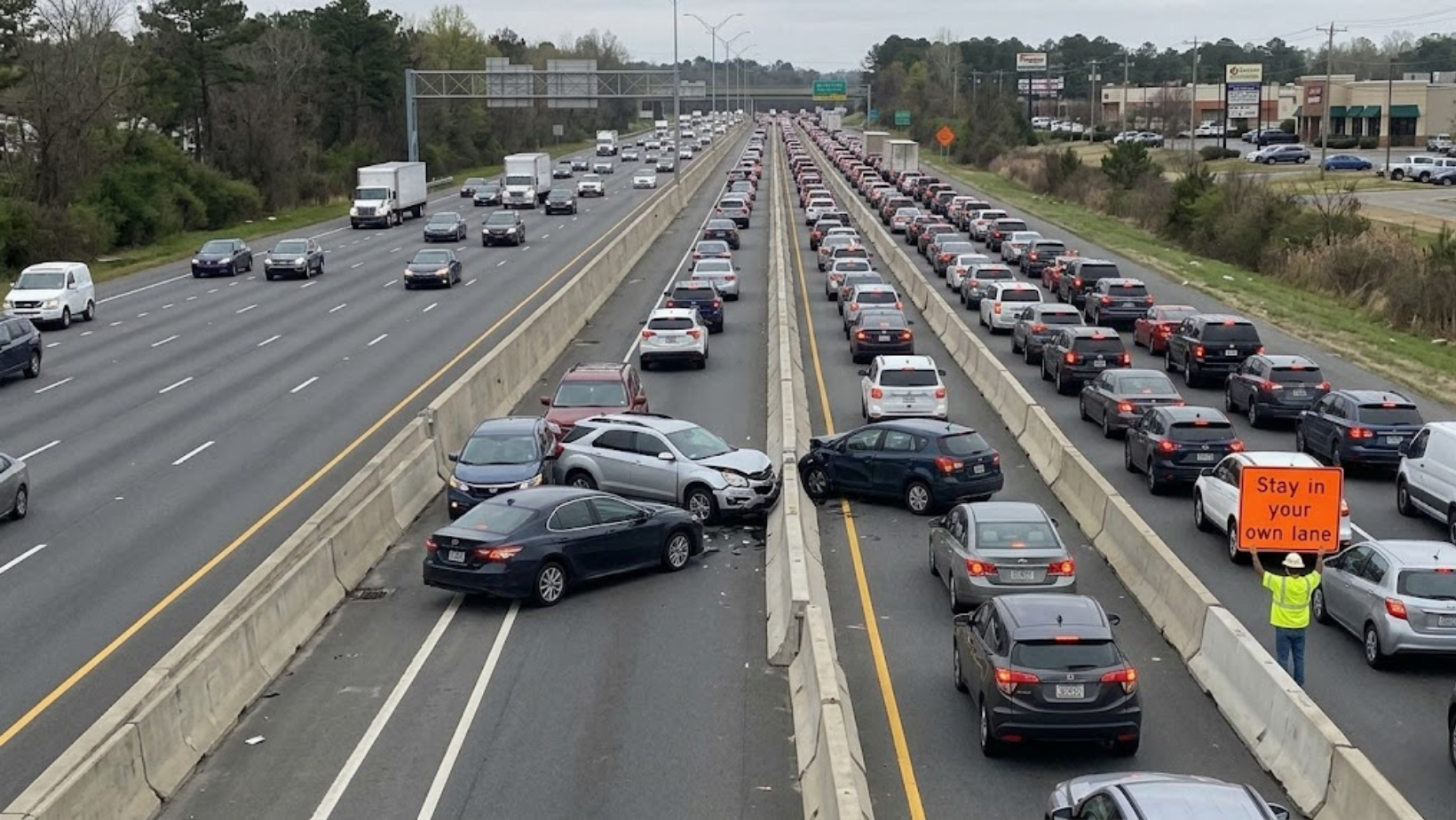
Stay in your lane
There's a difference between focus and rigidity. Most leaders never notice when they've crossed the line.
I learned this the hard way.
We were going through a rough stretch. New senior leadership, new ways of working, and a new mandate: stay in your lane. Focus on your span of control. Don't reach across functions without going through the proper channels.
In theory, reasonable. In practice, a slow-moving train-wreck waiting to happen.
I had an issue in my area. I called my designated contact in finance, exactly what I was supposed to do. We talked it through. He brought it up in his department meeting. His boss got involved. Suddenly, someone up my chain wanted to know why I'd gone to the head of finance.
I hadn't. I'd called my contact. He ran it up his own ladder.
One conversation would have cleared that up. Nobody had it. Instead, I got a talking-to about staying in my lane, while I was literally in my lane.
That's not accountability. That's a culture that was showing signs of eating itself.
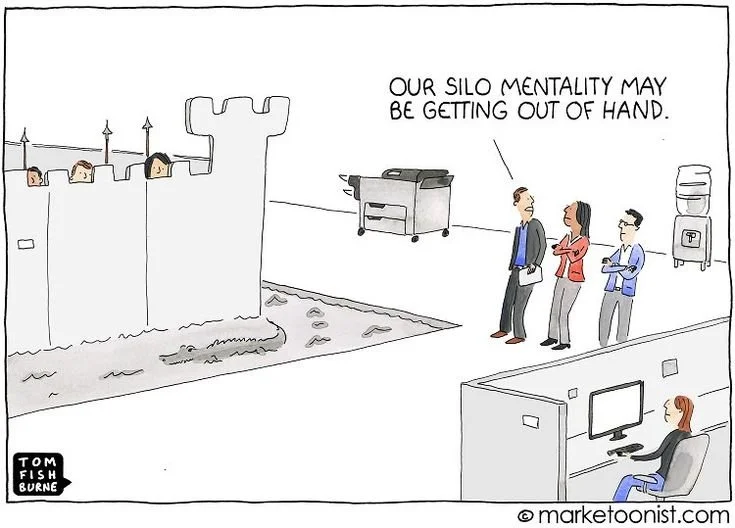
Is your organization on track, or quietly derailing? Watch for these warning signs that your lanes are becoming silos:
Problems get escalated up before anyone tries to solve them across
People default to "that's not my area" instead of "let me connect you with the right person"
A simple issue requires three meetings and two approval chains to resolve
Staff stop flagging problems because the last time they did, it became a political issue
Cross-functional relationships are formal and transactional, not collaborative
Nobody can tell you who owns the handoff between departments
If you're nodding at more than two of those, it's worth a closer look.
Now ask yourself these questions:
When was the last time someone on your team solved a cross-functional problem without being asked to?
Do your people know the difference between overstepping and taking initiative, and do you?
Are your lanes designed around your org chart, or around how work actually flows?
If a frontline employee spotted a problem outside their area today, would they feel safe flagging it, or would they stay quiet?
Is "stay in your lane" a tool for focus in your organization, or a tool for control?
That's what rigid lane management actually produces: information that travels up instead of across, bottlenecks where there should be handoffs, and people who stop taking initiative because the last time they did, someone made it a problem.

Traffic management
Cross-functional trust isn't a threat to focus. It's what makes focus possible.
Good cross-functional culture doesn't mean everyone does everything. It means people know their role and know when a quick conversation with the right person saves everyone three weeks of escalation theater.
So if your organization is starting to look like a highway at rush hour - everyone in their lane, nobody moving – it might be worth asking whether the lanes are the problem.
Are you building an organization of empowered problem-solvers? Or an organization of people waiting for permission?
One of those scales. The other one just looks organized.
