
Your Scars Aren't the Problem. They're the Proof.
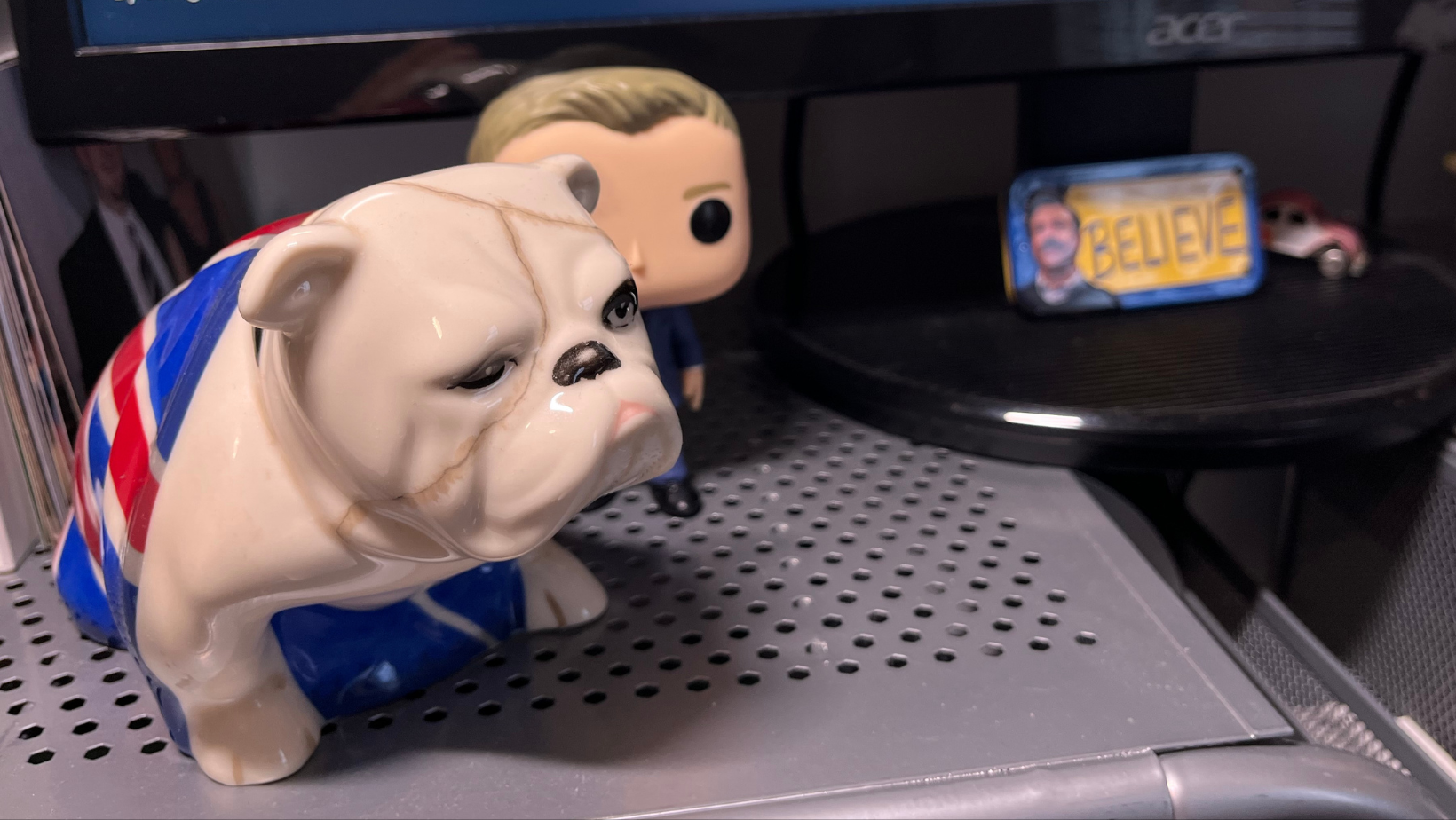
Jack the Bulldog
I've been a James Bond fan since I was a kid.
My friend Shaun gets the credit for that. His house was a movie lover's paradise; stacks of VHS tapes in practically every room, organized with the kind of dedication only a true film fanatic could justify. Bond films were a staple. We watched them constantly.
As a teenager and then as an adult, I made it a ritual. Every new Bond film in the theatre as close to opening weekend as possible. Every home release added to the collection. I'll be honest, the franchise lost me a little through the 80s and 90s. The films got big and glossy and started to feel more like theme park rides than stories.
Then came Daniel Craig.
When Casino Royale came out in 2006, it felt like a reinvention. Grittier. More human. Higher stakes. I fell for it all over again. And across the Craig era, a small, easy-to-miss prop became one of the most meaningful symbols in the entire franchise.
A chipped, soot-stained Royal Doulton bulldog named Jack.
The Bulldog That Survived
Jack originally sat on M's desk, a symbol of her steely determination and her protective watch over Britain. Then the SIS building gets bombed in Skyfall. Most things don't survive. Jack does. Chipped. Cracked. Marked by the blast. But still standing.
When M dies, she bequeaths the damaged bulldog to Bond. Moneypenny jokes that M must have wanted Bond to take a desk job. Bond's response: "Just the opposite."
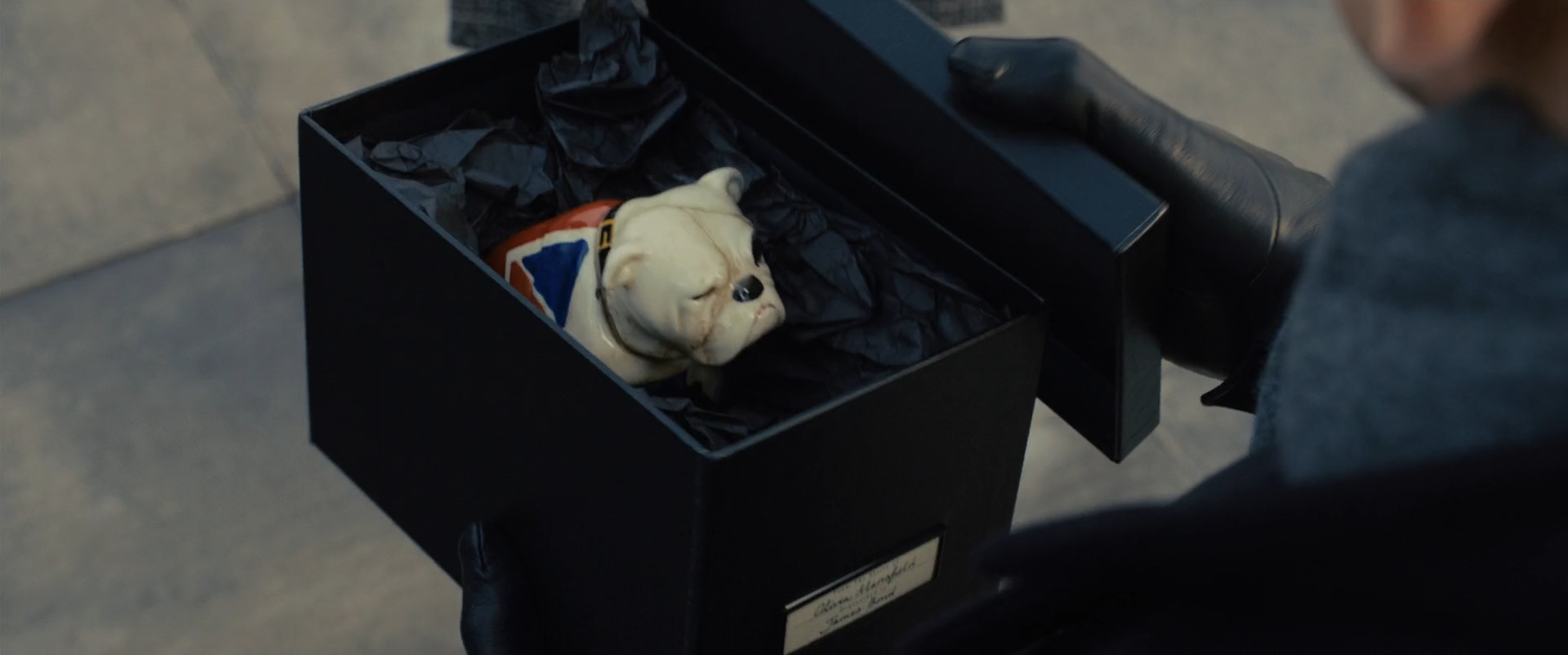
The bulldog reappears on a table in Bond's flat in Spectre. It's there again in No Time to Die. It doesn't say much. It doesn't need to. Every chip and crack tells the story.
A few Christmases ago, my daughters gave me my own Royal Doulton bulldog. It sits on my desk in front of me every single day. One of my favourite gifts I've ever received, not because of what it is, but because of what it means.
What Jack Teaches Us About Resilience
Resilience is one of those words that gets thrown around a lot. We put it in values statements. We talk about it in leadership programs. We nod along when someone mentions it in a keynote.
But real resilience, the Jack kind, doesn't look polished. It looks chipped. It looks cracked. It carries the marks of what it's been through and keeps showing up anyway.
Here's what I've come to believe: resilience doesn't come without pain. There's no shortcut through it, no reframe that makes the hard thing not hard. The scars are the story. They're also the proof.
And in organizations, resilience isn't built by avoiding the difficult conversations. It's built by having them. By naming the elephants that have been sitting in plain sight. By confronting the gaps between who you say you are and how you actually show up: as a leader, as a team, as a brand.
Real organizational resilience means breaking down the barriers that have quietly crept in over time. It means your external brand reflects your internal truth. It means leadership takes accountability; not just in the good seasons, but especially in the hard ones.
The bulldog doesn't pretend the explosion didn't happen. The chips and cracks are right there for anyone to see. That's the point.
Your Resilience Story
Before you move on, sit with these three questions. Not all at once, one at a time, honestly:
1. What are your chips and cracks? What experiences, losses, or failures have genuinely shaped the leader you are today? Not the polished version you'd put in a bio, the real ones. The moments that cost you something. Those are your resilience story. Do you know it well enough to tell it?
2. What are you currently walking around? Every leader has an elephant they've been managing around instead of naming. What's the conversation you've been deferring? The pattern you've been tolerating? The thing your team knows but nobody's saying out loud? Avoiding it isn't protecting the culture. It's costing it.
3. Does your outside match your inside? What you say about yourself — as a leader, as an organization — does it match how you actually operate? Do your customers feel what you claim? Does your team live what you preach? Resilient organizations close that gap. Fragile ones paper over it and hope nobody looks too closely.
The Challenge
Jack the bulldog didn't get to choose whether the building exploded. He didn't get to negotiate his chips and cracks. He just survived, and kept showing up, marked by the experience, useful because of it.
You don't get to choose everything that happens to you as a leader either. But you do get to choose whether you name it, own it, and let it make you more honest; or whether you set it on the shelf and pretend it's decorative.
The most resilient leaders I've seen aren't the ones who avoided the hard moments. They're the ones who let those moments do their work.
Jack sits on my desk every day as a reminder. Not to be invincible. To be honest. To stay standing. To keep showing up: chips, cracks, and all.
That's the standard.
Now, what's your elephant, and when are you naming it?
