
How I ended up joining a $1,400 wine club I definitely didn't plan on joining.
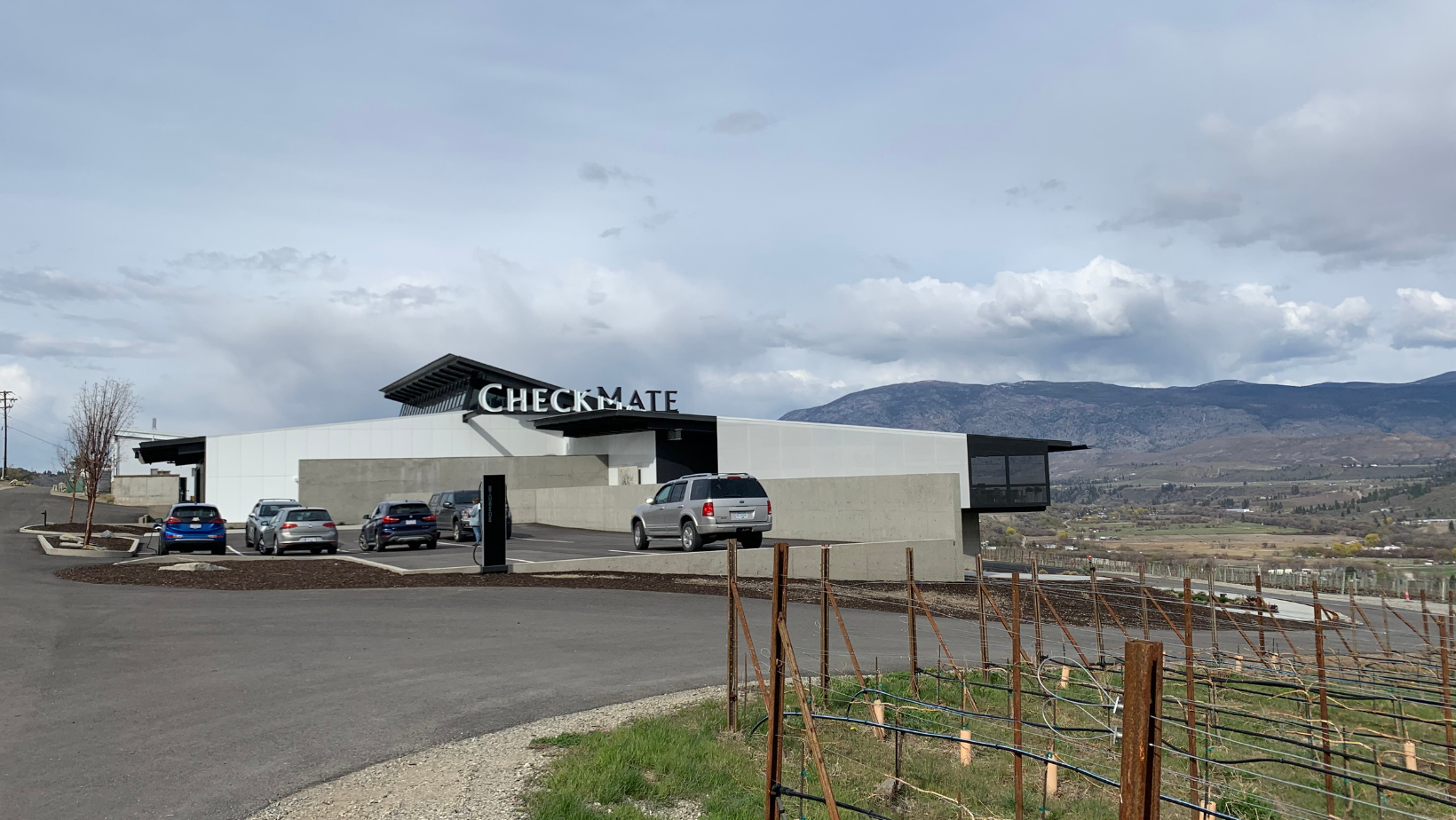
Checkmate
One of our favourite trips when we lived in British Columbia was the drive through the Okanagan Valley, the Sonoma of Canada. Stretching from north of Kelowna down to Osoyoos on the Washington State border, it's lakes, desert landscape, and views that genuinely stop you mid-sentence. And for anyone who enjoys wine, a seemingly endless parade of wineries to taste and explore.
On one trip, a few years ago, our neighbour suggested we try Checkmate, one of the most exclusive and premium wineries in Canada. We booked it for our last afternoon. Save the best for last, right?
The tasting fee was nearly double any other winery we'd visited. Fair warning sign number one, which we noted and ignored.
Let the priming begin
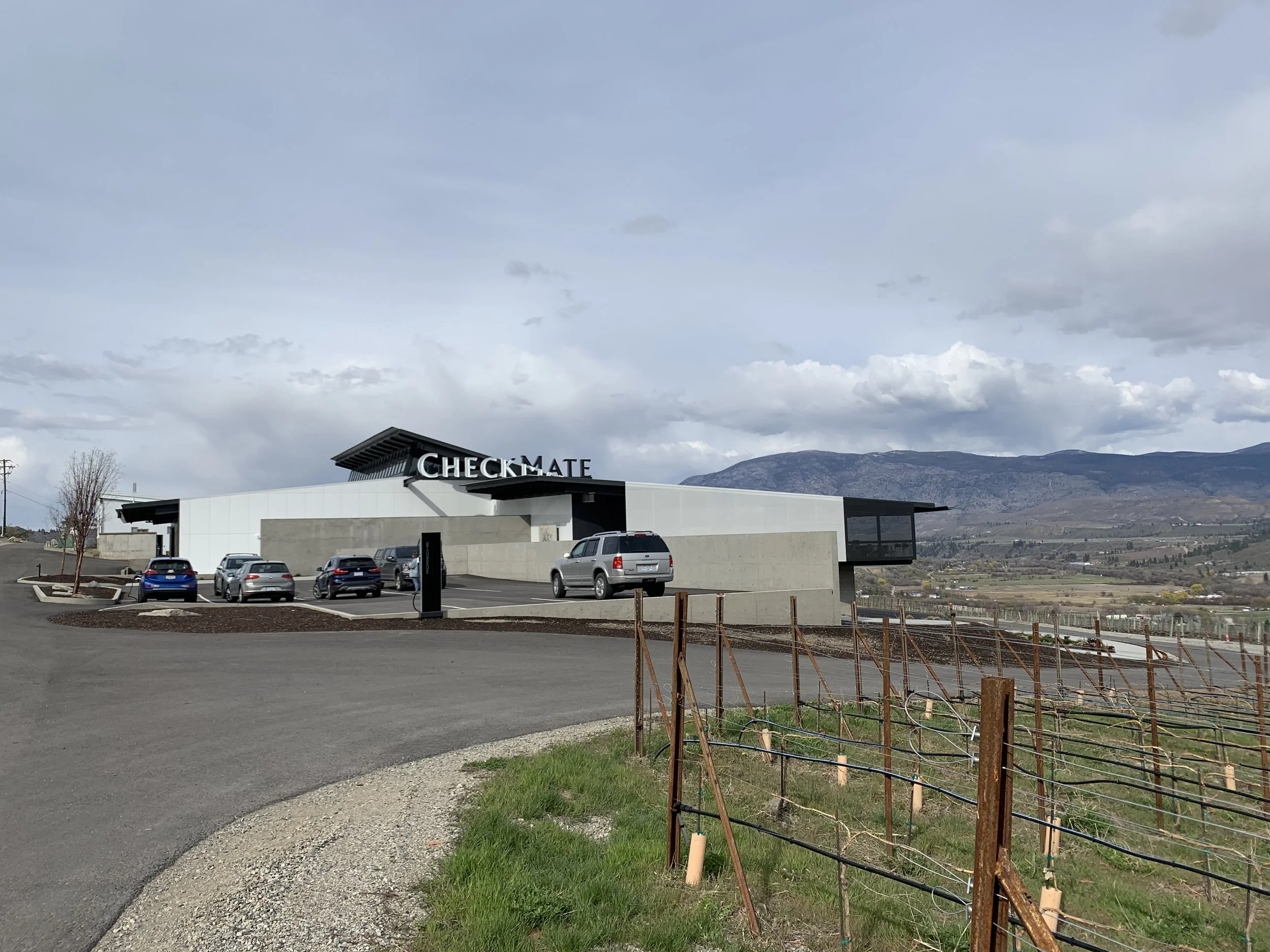
When we pulled up, the building was a striking concrete structure overlooking the valley and lakes near Osoyoos. Through the large doors was an equally impressive lobby, friendly staff, and a glass of sparkling wine pressed into our hands before we'd even found our footing.
We were given a tour, including the panoramic patio view that I immediately earmarked for a selfie. We were seated at a table overlooking the barrel room, in front of an arrangement of spotless crystal glasses that somehow communicated "you are somewhere special now."
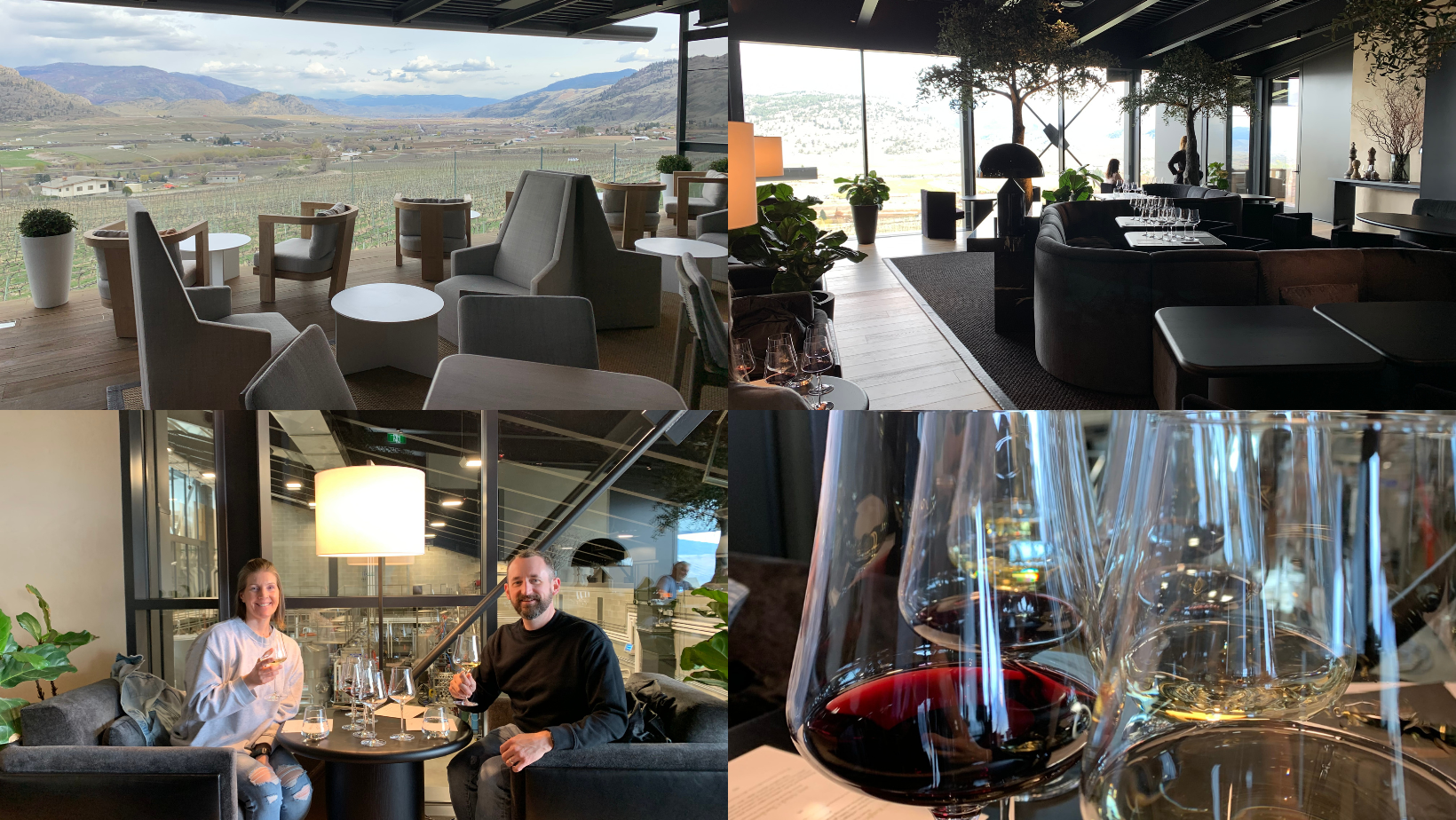
Our sommelier — Italian, naturally — walked us through the story of the winery. Two wines only. Merlot and chardonnay. And somewhere near the end of the tasting, we would be trying their 100-point chardonnay.
He mentioned that last part almost casually. He was good.
We worked through the tasting. The wines were extraordinary: buttery, full-bodied, the kind that make you reconsider everything you thought you knew about chardonnay. And then the 100-point wine arrived.
Our minds were genuinely blown.
When the tasting concluded, there was a gentle conversation about the wine club. Friendly. Unhurried. Oh, and just so you know, only club members get access to the limited inventory of that 100-point chardonnay. They handed us a beautifully designed information card and a quality Checkmate pen. They encouraged us to sit and enjoy the space for as long as we liked.
A few minutes later the sommelier returned. Any questions about the club?
By this point we had been wowed by the setting, the experience, the service, and approximately six generous pours of exceptional wine. Resistance was not particularly high.
It was pricey, sure. But it was a one-time commitment we could cancel anytime. Just $700 for six bottles. A treat. A single indulgence.
We signed up.
Too late
It was not six bottles. The club required a twelve-bottle commitment. Annual.
My brief moment of hesitation — the half-second where a more rational version of me tried to speak up — was quickly buried under the combined weight of the experience, the wine still warming my chest, and a complete unwillingness to look cheap in front of a very elegant Italian sommelier.
I must have that chardonnay. Besides, I don’t need to order the other 6 bottles for months.
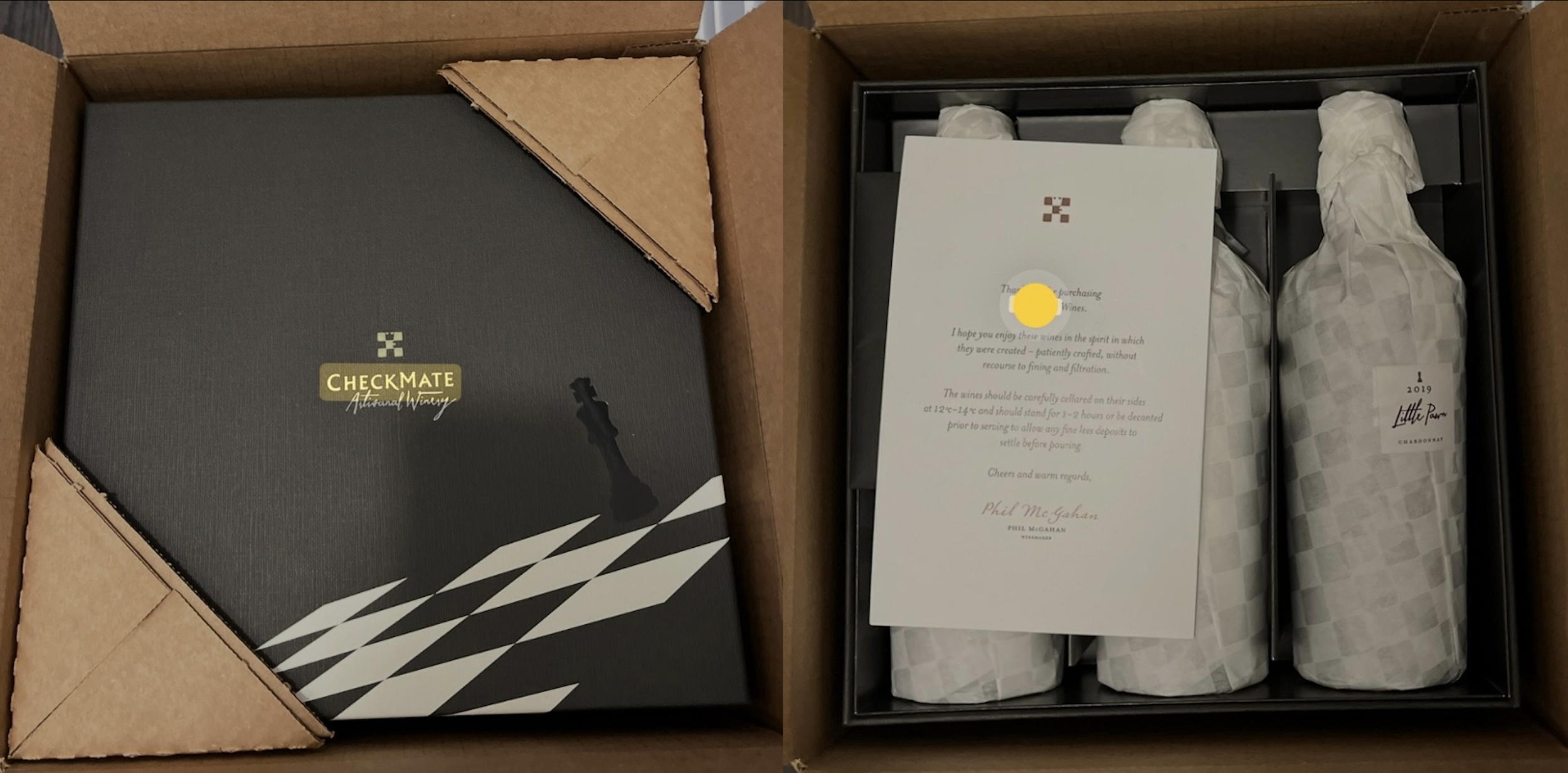
A few minutes later, our wines were delivered in the most exquisite box I have ever received anything in. Each bottle wrapped in high-quality tissue paper, individually labelled, with cards explaining the taste profile, the vintage, the origin. We still have the box in our basement. It is nicer than most furniture we own.
Just over a year later, when I lost my job, the Checkmate wine club was at the top of my cancellation list. Gone immediately. Four bottles still remain in my fridge, carefully rationed for people I know will truly appreciate what they're drinking. I tell the story every time. Two of those people have since joined the club themselves.
Driving Home with the Decision
We drove home with a car loaded with boxes of twos and threes we'd picked up across four days in Osoyoos. The credit card bill looming somewhere in the near future. But sitting among all of it, wrapped carefully in the back, was that one black box. Our cherished treasure. The one we didn't touch until we found exactly the right moment and exactly the right people to share it with.
A few days later we sheepishly told our neighbour — the one who'd suggested Checkmate in the first place — how much we'd loved it. How the experience was everything he'd said it would be.
And how we'd, well, also joined the club.
He laughed. He was not surprised.
Was it my best financial decision? Not even close. Especially given what came next with the job situation. But was it one of the most memorable experiences we've had, one that taught me more about premium brand building than almost anything I've read in a marketing textbook?
Without question.
How We Were Checkmated
Here's what Checkmate did brilliantly, and what any brand can learn from it:
They built the experience before they made the ask. Every element of that visit - the architecture, the welcome drink, the tour, the patio, the crystal glasses, the Italian sommelier - was priming us long before anyone mentioned a wine club. By the time the offer arrived, we were already emotionally committed.
They anchored us to the extraordinary. The 100-point chardonnay wasn't just a wine. It was the destination the entire tasting was building toward. And then they made it exclusive. Club members only. The ask didn't feel like a sales pitch, it felt like an invitation.
They made the price feel relative, not absolute. After the tasting fee, the setting, the experience, $700 felt proportionate (but I realize, not rational). It was only later, in the cold light of sobriety and a twelve-bottle invoice, that the math became clearer.
They created advocates, not just customers. I cancelled the club. I kept four bottles. I tell the story to everyone. Two people bought because of me. That's not a sales funnel. That's a brand experience that outlasted the transaction.
It’s a story, not a product
Checkmate didn't just sell us wine. They sold us a story we're still telling. And in the end, that's the most powerful thing a premium brand can do:
Create an experience so complete, so considered, and so genuinely extraordinary that the customer becomes the salesperson long after the transaction is done.
The box is still in the basement. It's too nice to throw out.
